The capital of Andalusia, Seville is one of these unique cities that easily wins your heart and keeps it trapped afterwards no matter where you go. Seville, with its sun-drenched courtyards, thumping rhythms of flamenco, the rich Moorish architecture and a history too thick to put on paper, is truly a quintessential Spanish experience where the old and the new mix like a heady concoction. To marvel at centuries-old cathedrals, gorge yourself on tapas or just lose yourself in admiring the beauty of its maze-like alleys, this is your one-stop travel guide to the mysterious city of Seville.
Seville is not a place but a mood, a rhythm, a feeling. It is the cradle of flamenco, the land of some of the most well-known festivals in Spain, and a place where during springtime orange trees scent the air. It welcomes you to take your time, enjoy life and get lost in a colorful world of cultures that have moulded this historic city across centuries.
Visiting Seville is a soulful yet mind-blowing experience that you cannot avoid, no matter whether you love history, food, architecture, or are a traveler looking to experience a romantic break.

How to Arrive at Seville
Seville has excellent road, rail, and air connections.
Air: Seville Airport (Aeropuerto de Sevilla) is the nearest airport, roughly 10 kilometers to the city centre. It is a domestic and international airport. At the airport, you can hail a taxi, a shuttle bus service, or hire a car.
Through train: Seville is well linked to Madrid by the AVE high-speed train which takes 2.5 hours, and other major cities in Spain including Barcelona, Valencia, and Malaga.
Bus: There are a couple of long-haul bus companies linking the cities in Spain and Portugal to Seville.
By car: If you are touring Andalusia, then Seville is well done by car, and makes a good base to do day trips.
Moving in Seville
Seville is quite a walking city, particularly in the historical downtown. The big attractions are near to each other and can be reached by foot. But there is also:
Buses and Trams: The transport service is fast and cheap. A standard price is approximately 1.40 Euro, and there is a day pass as well.
Metro: Seville possesses a modest metro constructed as a single line, so it may be handy in case you are staying more distant in relation to the hub.
Bikes: The city has well-developed bike lanes and is essentially flat. The bike convenience, Sevici, is a playful, environment-friendly means to explore the city.
Taxis and Rideshares: Taxis and rideshare services are easily available at a reasonable cost. Uber and Cabify do as well.
Time of Year to Visit Seville
Seville experiences a Mediterranean climate characterized by hot summers and mild winters. Autumn (September to November) and spring (March to May) is the best time to visit.
Spring: This is the time Seville wakes up. The orange flowers are in bloom and the two most renowned festivities of the city take place: Semana Santa (Holy Week) and Feria de Abril (April Fair). There will be crowds, and also memorable cultural experiences.
Summer (June to August): It becomes incredibly hot, and it is usually more than 40°C (104°F). When you arrive during this time, prepare outdoor activities early in the morning and late in the evening, and spend leisurely naps in the afternoon.
Autumn: Better weather with fewer tourists makes this an ideal time to travel.
Winter (December to February): Quiet and mild, though some attractions have shorter hours.
Where to Put Up in Seville
Seville has accommodations of all types: from cheap hostels to luxury hotels, charming guesthouses, and romantic apartments.
The Most Excellent Neighborhoods to Stay:
Santa Cruz: The most romantic quarter, full of winding streets, whitewashed buildings, secret courtyards, and close to main sights such as the Cathedral and the Alcazar.
El Arenal: Excellent culture, entertainment, and nightlife, located near the river and bullring.
Triana: On the opposite side of the river, known for flamenco, pottery, and local color. It is less touristic and has a more authentic atmosphere.
Alameda: Hippie, creative, and with loads of tapas bars and great nightlife.
Macarena: A more residential and economical district, ideal for longer stays and experiencing daily Sevillano life.
Best Places to Visit and Explore in Seville
1. The Royal Alcazar of Seville
A breathtaking palace compound originally created by Moorish Muslim kings. It’s one of the finest examples of Mudejar architecture, featuring intricate tilework, gardens, and royal halls. The Spanish royal family still uses it when in Seville.
Hint: Book your ticket online in advance to avoid long queues.
2. La Giralda and Seville Cathedral
One of the biggest Gothic cathedrals in the world, and the tomb of Christopher Columbus lies here. Climb the old minaret-turned-bell tower La Giralda for a stunning panorama of the city.
3. Plaza de España
A glorious semi-circular plaza built for the Ibero-American Exposition of 1929. Rent a rowboat, admire the tiled alcoves symbolic of Spanish provinces, and experience the grandeur of this monument.
4. Metropol Parasol (Las Setas)
A contemporary wooden structure also known as “The Mushrooms,” featuring a rooftop walk with panoramic views, a market, and an archaeological museum below.
5. Barrio of Santa Cruz
Explore the old Jewish Quarter, filled with romantic narrow streets, hidden courtyards, and tapas bars. An ideal place to get lost and find hidden gems.
6. Triana
Discover Triana by crossing the Puente de Isabel II. Bar-hop and explore Mercado de Triana for local foods and traditional tapas. A reputed center of flamenco and ceramics.
7. Flamenco Show
Anyone visiting Seville must not miss flamenco. Book a show at Casa de la Memoria, Museo del Baile Flamenco, or a cozy venue in Triana.
8. Maria Luisa Park
A peaceful escape from city life, featuring fountains, sculptures, and shaded paths. Rent a bike or horse-drawn carriage to explore.
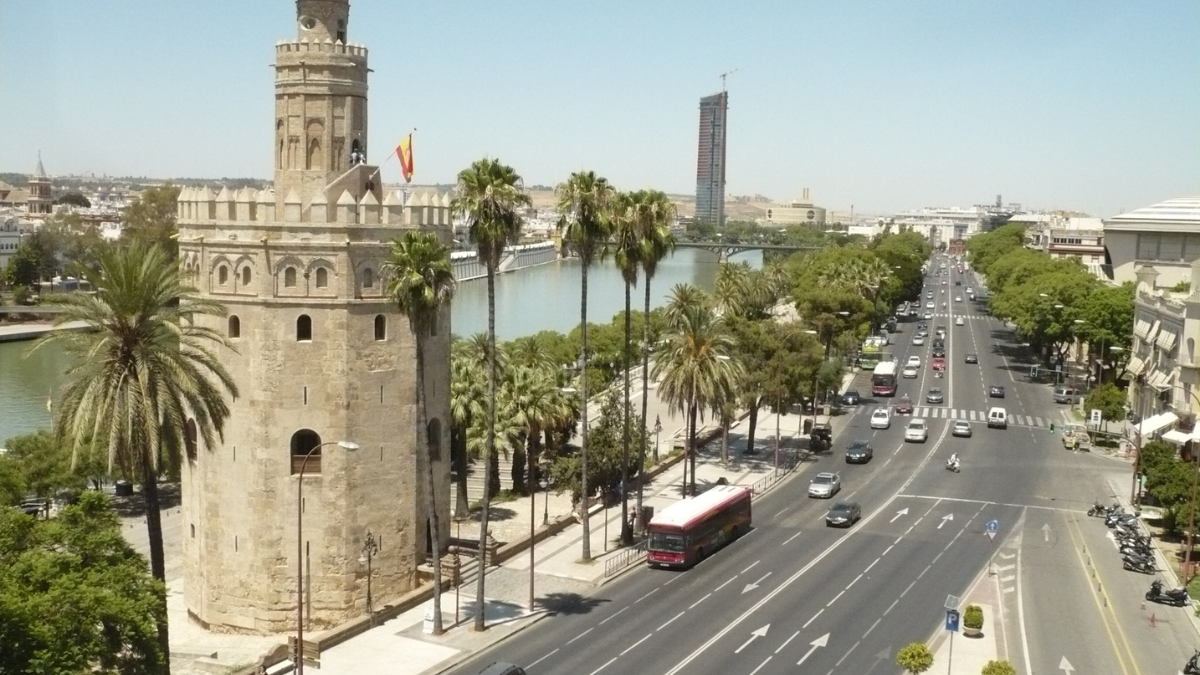
9. Tower of Gold (Torre del Oro)
This 13th-century river watchtower once stored gold from the Americas. Now it houses a small maritime museum.
10. General Archive of the Indies
A UNESCO World Heritage site holding historic archives from the Spanish colonial empire. Free entry and a must-visit for history buffs.
Where and What to Eat in Seville
Seville is a paradise for food lovers, especially those fond of tapas. Restaurants here are deeply tied to local culture, and food is part of the social ritual.

Must-Try Dishes:
Salmorejo: Thick cold tomato and bread soup, usually with ham and egg.
Espinacas con Garbanzos: Spinach and chickpeas—a classic Andalusian dish.
Jamón Ibérico: Renowned cured ham, served in thin strips.
Churros con Chocolate: Popular as a breakfast or post-nightclub treat.
Tortilla Española: Traditional potato and onion omelette.
Tapas: Small dishes such as olives, cheese, grilled prawns, and oxtail stew.
Where to Eat:
El Rinconcillo: The oldest bar in Seville (est. 1670), known for its tapas and classic Andalusian ambiance.
Eslava: Offers innovative interpretations of traditional tapas.
La Azotea: Great for fresh seafood and a relaxed vibe.
Bodega Santa Cruz (Las Columnas): A lively and affordable tapas bar near the Cathedral.
Casa Morales: Old-style tavern with wine barrels and hearty, authentic food.
An Example 3-Day Itinerary
Day 1: Legendary and Future Generation
Morning: Visit the Alcazar
Afternoon: Explore Seville Cathedral and La Giralda
Evening: Stroll through Santa Cruz and dine at a tapas bar
Day 2: The Immersion of Culture
Morning: Tour Triana and visit the market
Afternoon: Relax in Maria Luisa Park and explore Plaza de España
Evening: Attend a flamenco show and have dinner in El Arenal
Day 3: Contemporary and Leisure
Morning: Climb Las Setas and enjoy breakfast with a view
Midday: Visit the Archivo de Indias and Torre del Oro
Afternoon: Shop or enjoy more tapas in Alameda or Macarena
Evening: Have dinner along the Guadalquivir River for a sunset farewell
Seville in Shopping
Seville offers a blend of boutique stores, traditional markets, and modern shopping areas.
Triana Ceramics: Painted tiles and pottery
Leather Goods: Belts, bags, and shoes
Local Markets: Mercado de Triana and El Jueves flea market
Fashion: Check Calle Sierpes and Calle Tetuán for boutiques
Travelling Advice to Seville
Language: Spanish is the official language, though many in tourism speak English.
Currency: Euro (€). Credit cards are widely accepted, but cash is handy for smaller places.
Tipping: Not compulsory, but appreciated—5–10% in restaurants is typical.
Safety: Seville is generally safe, but always watch your belongings in crowded areas.
Clothing: Light clothes for summer, layers for cooler nights. Dress modestly for church visits.

Making the Budget of Your Trip
Budget Traveler: €50–70/day (hostels, public transport, tapas)
Mid-range: €100–200/day (3-star hotels, meals, attraction tickets)
Luxury: €250+/day (luxury hotels, guided tours, fine dining)
Final Thoughts
Seville is not simply a place to visit, but a whole experience where every sense can be touched. It is the sound of flamenco in the silent courtyard, the scent of jasmine at night, and the sun of Andalusia on your skin. It is a city where time moves slowly so that you can truly enjoy life.
Seville has something to offer every traveler—whether it’s a romantic weekend, a cultural adventure, or a sun-soaked retreat. With rich history, iconic landmarks, a dynamic food scene, and an irresistible charm, the city will make you want to come back again and again.
save pin for later


- 13 Things You Can Depend On Narcissists to Do - May 11, 2026
- 12 Ugly Things Women Do in Relationships(+Why They Happen) - May 11, 2026
- 8 Stages of Emotional Intimacy in a Relationship (+How to Build It) - May 10, 2026