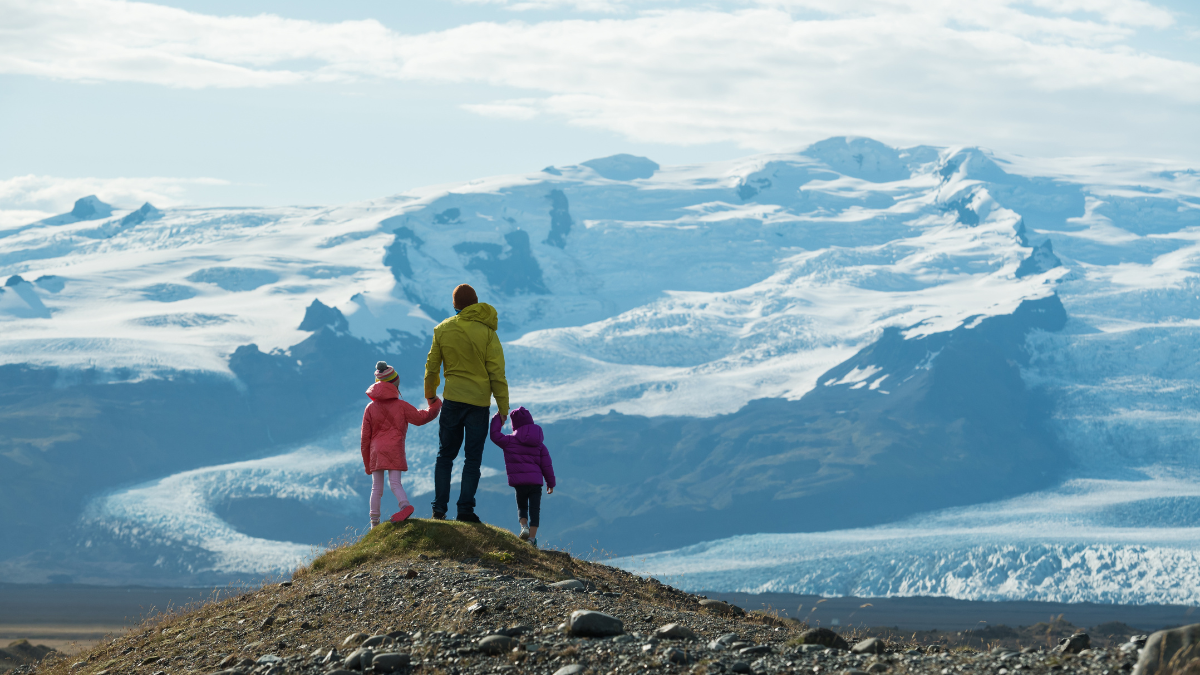
Iceland’s glaciers are among the most jaw-dropping landscapes on the planet. Blue ice, crevasses, and sweeping ice caps to vast frozen deserts—these places are both otherworldly and fragile. From hiking a glacier tongue with crampons strapped on, to peering into the glowing depths of an ice cave, to roaring across an ice cap on a snowmobile, to floating amid towering icebergs in a glacier lagoon, Iceland has glacier experiences for all interests and fitness levels.
This complete guide will walk you through the best glacier tours in Iceland, what you’ll get with each one, practical booking and safety tips, and how to prepare so you get the most out of your time on the ice.
A quick primer on Iceland’s glaciers and what to expect
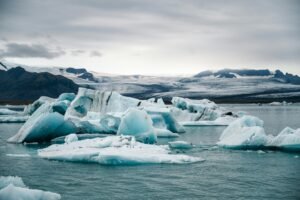
As with many Icelandic natural wonders, glaciers come with their own set of vocabulary. Iceland’s glaciers are outlet tongues and ice caps fed by snow in higher elevations. Vatnajökull is the largest ice cap in Europe and the source of many popular tourist attractions, including glacier lagoons and ice cave areas. Closer to Reykjavík, Sólheimajökull is an easily-accessible outlet glacier popular for day or half-day hikes. Each glacier has its own unique “personality” and tour options: guided hikes, ice caving (seasonal), snowmobiling, super-jeep transfers and helicopter trips.
The 6 best glacier tours and where to find them
Below are the most popular glacier experiences, grouped by glacier/region, with highlights for each and who they’re best for.
1. Vatnajökull region: ice caves, glacier hikes, the Jökulsárlón lagoon
Where: Southeast Iceland — common bases include Skaftafell and Jökulsárlón.
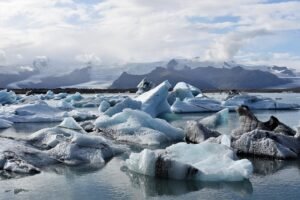
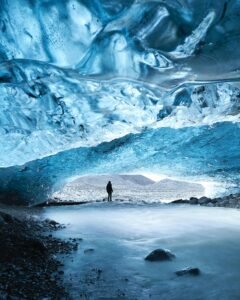
Why go: Vatnajökull is Europe’s largest ice cap and spawns some of Iceland’s most spectacular outlet glaciers and ice caves and the world-famous Jökulsárlón glacier lagoon, where enormous blue-white bergs float out to sea. Many crystal-blue ice cave tours depart from the Jökulsárlón area and include a super-jeep transfer up to an outlet glacier before a short walk into the cave. Ice cave tours are usually only offered in colder months when the caves are stable (generally October–March).
Highlights:
Explore naturally formed blue ice caves with trained guides and hard hats.
Can combine with zodiac or amphibian boat trip on Jökulsárlón for iceberg close-ups.
Opportunities to hike Skaftafell glacier tongues for panoramic views.
Best for: Photographers, adventurers, smaller groups; people who are comfortable with short hikes over uneven, icy terrain.
Seasonality & safety: Natural ice caves are seasonal/weather-dependent and you should never enter a cave without an experienced guide. There have been several tragic incidents in recent years which underline the need for professional guidance and up-to-date local information.
2. Sólheimajökull: closest glacier hikes to Reykjavík
Where: South coast, near Vík; about 2–2.5 hours from Reykjavík.
Why go: Sólheimajökull is one of the most accessible outlet glaciers in Iceland, and is a top choice for half-day glacier walks or basic ice-training experiences. Guides lead small groups over blue ice, through crevassed terrain and to dramatic ice formations. This is also where many operators run “discovery” hikes designed for first-timers.
Highlights:
Short transfers from South Coast stops; easy to combine with other sightseeing (waterfalls, black-sand beaches).
Great for beginners — crampons and helmets are provided; guides will show glacier safety and basics.
Opportunities for simple ice-climbing or glacier photography.
Best for: Glacier hiking first-timers, families with older kids, travelers with limited time.
Seasonality & safety: Accessible year-round depending on conditions; may have more pronounced melt/less stable features in the warmest months, so book with an experienced operator and listen to your guide’s advice.
3. Langjökull: “Into the Glacier” and snowmobiling
Where: West-central Iceland (Húsafell / Hvalfjörður area).
Langjökull is also a standard location for large-scale snowmobile tours across open ice. The “Into the Glacier” project provides year-round access to icy interiors that can’t be guaranteed by natural caves.
Highlights:
Walk/explore through a hand-carved ice tunnel, learning about glaciology and climate.
Full-day snowmobile adventures across Langjökull’s high plateau.
Combine with hot springs or scenic Borgarfjörður region for a full day.
Best for: Families looking for an easier in-glacier experience, thrill-seekers wanting snowmobile time.
4. Eyjafjallajökull & Mýrdalsjökull: volcanic glaciers and combined adventures
Where: South Iceland, along the Ring Road between Selfoss and Vík.
Why go: These two glacier caps sit atop volcanoes (Eyjafjallajökull erupted in 2010). The area is excellent for combined glacier/volcano tours that detail the unique geologic relationship between Iceland’s fire and ice. Some operators offer glacier hikes plus visits to nearby attractions like Seljalandsfoss or the Eyjafjallajökull Visitor Centre.
Highlights:
Learn about recent eruptions and how volcanic activity has shaped glaciers.
Combine with coastal sightseeing for a varied full day.
Best for: People interested in geology and who want combined tours with waterfalls and black-sand beaches.
5. Super-jeep, helicopter and bespoke glacier experiences
If you’re seeking private, dramatic or fast options, super-jeep or helicopter tours are the way to go. Helicopter flights over ice caps give a bird’s-eye view of crevassed terrain and allow remote landings on the ice. Super-jeep tours can access otherwise inaccessible glacier tongues and are used frequently for ice cave access and photography trips. These are pricier options but unbeatable for scenery.
Activities you can do on glaciers
Glacier hiking / crampon walks: The most common glacier activity; can be easy guided walks to more technical routes.
Ice climbing: For people with some fitness and a taste for adrenaline; usually taught by certified guides.
Ice caving: Seasonal/guide-only for safety reasons; access to the surreal blue interiors of glaciers.
Snowmobiling: Fast, noisy and fun — good for large ice plateaus.
Helicopter landings / glacier flights: Premium experience; minimal exertion, maximum views.
Boat/lagoon trips: For seeing icebergs calved from glaciers (Jökulsárlón).
How to choose a glacier tour operator
Glaciers are dynamic and potentially dangerous environments—guide quality really matters. Here’s how to choose an operator:
Look for certified guides: Good operators employ certified mountain or glacier guides. Certification is an important point for safety and route planning.
Read recent reviews: Check recent reviews on TripAdvisor or Viator for rider experiences.
Group size: Smaller groups (often 6–15) are better for photos and safer movement on the ice.
Gear included: Ensure crampons, helmets, harnesses and ice-axe use are included with the tour.
Insurance & cancellation policies: Clarify what happens in poor weather.
Environmental practice: Responsible operators minimize footprint and follow leave-no-trace practices.
Seasons: when to go and why it matters
Winter (Oct–Mar): Best season for natural blue ice caves.
Spring & Autumn (Apr–May; Sep–Oct): Shoulder months; fewer crowds, good for hikes.
Summer (Jun–Aug): Long daylight, great for hiking and helicopter flights; most natural ice caves are unsafe/melted. Langjökull’s tunnel is available year-round.
What to bring and how to dress for glacier tours
Layered clothing (base, mid, waterproof shell).
Sturdy waterproof boots.
Gloves, hat, neck gaiter.
Sunglasses and sunscreen.
Camera with spare batteries.
Water and energy snacks.
Safety: the non-negotiables
Go with a guide: Never attempt glaciers alone.
Follow instructions: Conditions change quickly.
Check your fitness: Be realistic about the difficulty level.
Insurance: Make sure it covers glacier activities.
Booking tips and sample itineraries
Book early for peak seasons.
Combine attractions: South Coast (Sólheimajökull + waterfalls); Southeast (Vatnajökull + Jökulsárlón); West/Central (Into the Glacier + hot springs).
Factor in logistics: Tours often start far from Reykjavík; allow driving time.
Environmental considerations
Follow guide instructions and marked paths.
Avoid single-use plastics; pack out what you bring.
Support sustainable operators.
Final thoughts
Glacier tours in Iceland are a rare chance to experience dramatic, raw glacial landscapes: blue caves, crystalline ice, high altitude ice-fields and iceberg lagoons. With a variety of experiences to match almost every traveler, from easy Sólheimajökull walks to Into the Glacier’s engineered tunnels and Vatnajökull’s natural blue caves, glacier travel also requires respect: choose certified guides, follow all safety instructions, book with responsible operators, and plan timing carefully to match seasons and conditions. Do this, and setting foot on Iceland’s ice will be one of the most memorable highlights of your trip.
Save pin for later

- 13 Things You Can Depend On Narcissists to Do - May 11, 2026
- 12 Ugly Things Women Do in Relationships(+Why They Happen) - May 11, 2026
- 8 Stages of Emotional Intimacy in a Relationship (+How to Build It) - May 10, 2026