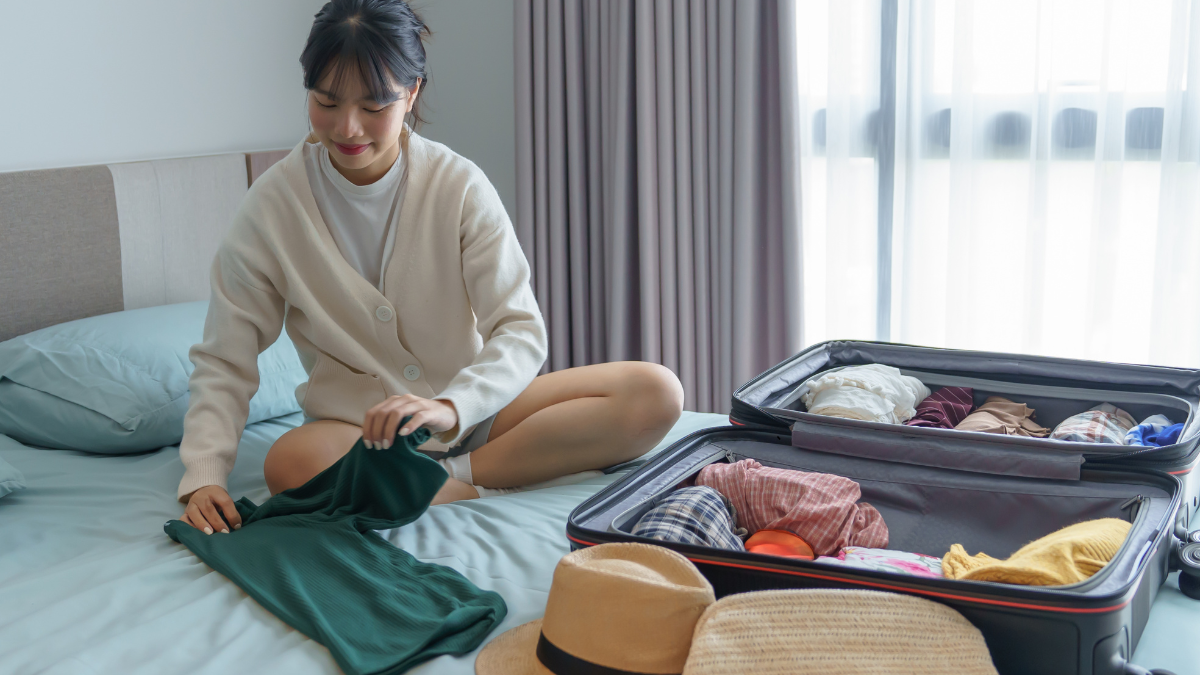
There’s nothing quite like camping. Slowing down, being immersed in nature, and reconnecting with the simple things can be magical. Whether you’re roughing it in a tent or a cabin, in a campground or backcountry, sleeping on the ground or a mountain peak, a few key pieces of camping gear will make or break your trip. Your favorite sleeping bag, hiking boots, or camp stove may be the difference between sleeping well at night or cold and miserable, and being able to cook meals and snacks in the wilderness or having no way to prepare food. On the other hand, not bringing a trowel to a backcountry campsite can leave you scrambling to the nearest public restroom. Forget your sleeping pad, bug spray, or lighter and you’re in for a frustrating, uncomfortable weekend.
This complete camping packing list will cover you for comfort, safety, food, and fun. This checklist will cover everything from the must-have essentials to the should-haves to the always-useful extras you never know you need until you don’t have them. From shelter and sleeping bags to clothing, cooking, lighting, staying dry, staying warm, staying safe, and so much more, we’ve got you covered for how to pack for camping. From picking the right gear, to how and what to pack in your backpack, daypack, and car camping packs, this camping checklist will help you make sure you have everything for a great trip. Bookmark this page, print the packing list, or use it to reference what to bring on your next camping adventure!

Ultimate Camp Packing List
Shelter and Sleeping
Clothing and Footwear
Cooking and Food
Hydration
Navigation and Tools
Health, Safety, and Hygiene
Fun and Extras
Packing and Organization
Seasonal Considerations
Campfire
1. Shelter and Sleeping
Your shelter and sleeping equipment are the heart and soul of your camping trip. This is where you’ll sleep, stay dry and warm, and relax at the end of the day.
Tent: Choose the right tent for the weather conditions you’ll encounter, the size of your group, and how many seasons you’ll use it. If you’re backpacking, a lightweight one is a must. For car camping, a larger tent with more headroom is nice. Make sure it’s suited for the weather you might encounter, with a tent for three-season use and waterproof tarp or rainfly for rain or snow.
Tent Footprint or Tarp: Place it underneath your tent to protect the bottom of your tent from rocks, sticks, and wet or muddy ground.
Tent Stakes and Mallet: Small but necessary, don’t forget these little guys that keep your tent in the ground. A tent mallet or rubber mallet makes it easier to pound tent stakes into the ground.
Sleeping Bag: Choose a sleeping bag rated for the conditions. Three-season sleeping bags are best for most conditions. If you plan on camping in the winter, get a dedicated cold-weather sleeping bag for snow camping.
Sleeping Pad or Air Mattress: Don’t forget this insulation from the cold ground, for comfort and a good night’s sleep.
Pillow: A camping pillow or a stuff sack filled with clothes will work fine.
Tip: Practice setting up your tent at home before your camping trip. It will feel less overwhelming if you already know how to pitch a tent and have a few frustrating mistakes under your belt.
2. Clothing and Footwear
You’re outside all day in the woods, so packing the right clothes is important. You want to be warm and comfortable at night and not shivering or sweating.
Base Layers: Moisture-wicking shirts and leggings to keep sweat away from your skin.
Insulating Layer: A fleece or down jacket to trap heat for cooler evenings.
Outer Layer: Waterproof, windproof jacket and rain pants to protect you from storms.
Camp Clothes: One comfortable set of clothes reserved for relaxing around camp.
Socks and Underwear: Pack extras, especially if rain is in the forecast. Wool socks are best for warmth and moisture-wicking.
Hiking Boots: Sturdy, well-worn boots for the trails.
Camp Shoes or Sandals: Lightweight shoes or sandals for around camp.
Hat and Gloves: Sun hat or beanie for warm or cold weather, and gloves to match.
Swimsuit: If you’re near a lake or river.
Remember: Cotton is not your friend for camping, especially in cooler weather. Stick with synthetic fabrics or wool, which dry quickly and will keep you warm even when wet.
3. Cooking and Food
Food cooked outdoors is one of the best parts of camping. You’ll need equipment to prepare food, as well as food itself.
Camp Stove or Portable Grill: A lightweight backpacking stove for hiking trips, or two-burner propane stove or grill for car camping.
Fuel and Lighter/Matches: Pack extra fuel canisters and waterproof matches or a reliable lighter.
Cookware: Pots, pans, and a kettle for boiling water.
Cooking Utensils: Spatula, ladle, and tongs.
Plates, Bowls, and Cups: Durable, easy-to-clean plates, bowls, and cups.
Eating Utensils: Fork, spoon, knife, or a spork for lightweight minimalist camping.
Cooler with Ice Packs: For keeping fresh food on longer trips.
Food Storage Containers: Containers to seal up leftovers and keep critters out of your food.
Dish Soap and Sponge: Biodegradable soap and sponge for cleaning up.
Trash Bags: Pack out all your trash. Leave no trace!
Food Ideas for Camping
Breakfast: Oatmeal, eggs, pancakes, or granola with milk.
Lunch: Sandwiches, wraps, or trail mix.
Dinner: Grilled meats, pasta, rice dishes, or foil packet meals.
Snacks: Jerky, nuts, chocolate, dried fruit.
Tip: Prep food at home as much as possible. Pre-chop vegetables, and pre-marinate proteins so you have less to do once you’re at the campsite.

4. Hydration
Water is vital to staying healthy and comfortable outdoors, and it’s important to drink lots of it hiking and in the sun.
Water Bottles or Hydration Bladder: Durable water bottles or a hydration bladder with drinking tube for hiking.
Water Filter or Purification Tablets: In remote areas where there is no potable water, these are essential.
Collapsible Water Jug: Perfect for car camping and filling with extra water at the campsite.
5. Navigation and Tools
Have the right navigation and gear even if you’re at a developed campground. Things can go wrong, so it’s always good to be prepared.
Map and Compass: GPS devices can fail, batteries can die, and phones are useless if they have no signal. A map and compass are a good backup.
GPS Device or Smartphone with Offline Maps: Useful for on-trail hiking and remote backcountry areas.
Headlamp and Extra Batteries: Headlamps are better than flashlights because they free up your hands and have longer runtimes.
Multi-Tool or Knife: A Swiss Army knife or multi-tool are always useful for repair, food prep, or emergencies.
Duct Tape and Repair Kit: A repair kit or good duct tape will fix tents, sleeping pads, and more.
Rope or Paracord: Useful for clotheslines, tarps, or in emergencies.
6. Health, Safety, and Hygiene
You’re outside, but that doesn’t mean you get to forgo health, safety, and hygiene. Be prepared to take care of yourself and stay clean.
First Aid Kit: Stocked with bandages, antiseptic wipes, pain relievers, blister pads, and personal medications.
Bug Spray: Don’t forget bug spray! Mosquitos and ticks can be a problem.
Sunscreen: You don’t want to get burned and damage your skin long-term.
Toiletries: Toothbrush, toothpaste, deodorant, biodegradable soap.
Towel: Quick-dry microfiber towels pack small and dry fast.
Hand Sanitizer: Easy to use when water is unavailable.
Toilet Paper: Even if there are toilets or outhouses, it’s a good idea to bring your own.
Portable Toilet or Trowel: For backcountry camping, use Leave No Trace principles and dig a cat hole or bring a portable toilet.
Tip: Always store toiletries and other scented items in bear-proof containers or away from your sleeping area in bear country or other wildlife regions.
7. Fun and Extras
Campouts aren’t just about surviving out in the woods, but about having fun and making great memories.
Camp Chairs: To sit around the fire.
Lantern: To illuminate your whole campsite. Better than a headlamp.
Camera or Binoculars: To take in the scenery and wildlife around you.
Journal or Book: For downtime.
Playing Cards or Games: For some group fun.
Musical Instrument: A guitar or harmonica to serenade around a campfire.
Fishing Gear: If your campsite allows and there are fish to catch.
8. Packing and Organization
Organization is key to keeping stress low at camp. How you pack and what you use to pack with can make a big difference.
Backpack: For hiking trips, a backpack with good support and a decent capacity is necessary.
Duffel Bag or Tote: For car camping, a larger duffel bag or tote is good because everything stays more accessible.
Packing Cubes: These help you keep clothes and gear organized and separate.
Dry Bags: Use these to keep your electronics and clothing safe from rain or spills.
Daypack: A small daypack or stuff sack is good for short day hikes away from the main campsite.
9. Seasonal Considerations
Seasons will change your camping packing list. Adjust your essentials according to when you go.
Summer: More bug spray, lighter sleeping bag, more water storage.
Winter: Heavier sleeping bag, insulated sleeping pad, snow shovel, crampons or microspikes, more warm layers of clothing.
Spring/Fall: Rain gear, tarp, more warm layers for cooler nights.
10. Campfire Essentials
Campfires are the best, if your campsite allows them. Gather around the fire at night, cook on it, and just relax.
Firewood: Buy local to avoid spreading pests from other areas.
Firestarter: Dry tinder, firestarter sticks, or cotton balls dipped in petroleum jelly work well.
Lighter/Matches: Waterproof are best.
Fire Pit Tools: Long-handled tongs or fire gloves are good for safety.
Final Thoughts
Finding the perfect balance in what to bring camping is key. Packing too little and you might find yourself uncomfortable or unprepared for the weather. Packing too much and you’ll have too much clutter to keep everything organized. The goal is to bring only what you need and not to overpack or underpack.
This ultimate camp packing list has everything you need to know about how to pack for camping. From gear and how to pack in your daypack, backpack, and car camping gear, this comprehensive camping checklist and gear list will have you ready for your next camping trip. Just remember to check the weather before you go, know the campsite rules before you leave, and customize this camping list for your needs on your next trip!
Camping is the opportunity to survive but also to thrive. Enjoy a great meal cooked outside over the campfire, stargaze in the middle of the night, wake up to a quiet morning, watch a sunset, take a refreshing dip in a lake, go for a swim in a river, fish, hike, bike, and enjoy the wonder of nature. With the right camping gear, a little planning and preparation, and this camping packing list, your next camping trip can be an adventure to remember for all the right reasons.
Save pin for later

- 13 Things You Can Depend On Narcissists to Do - May 11, 2026
- 12 Ugly Things Women Do in Relationships(+Why They Happen) - May 11, 2026
- 8 Stages of Emotional Intimacy in a Relationship (+How to Build It) - May 10, 2026