
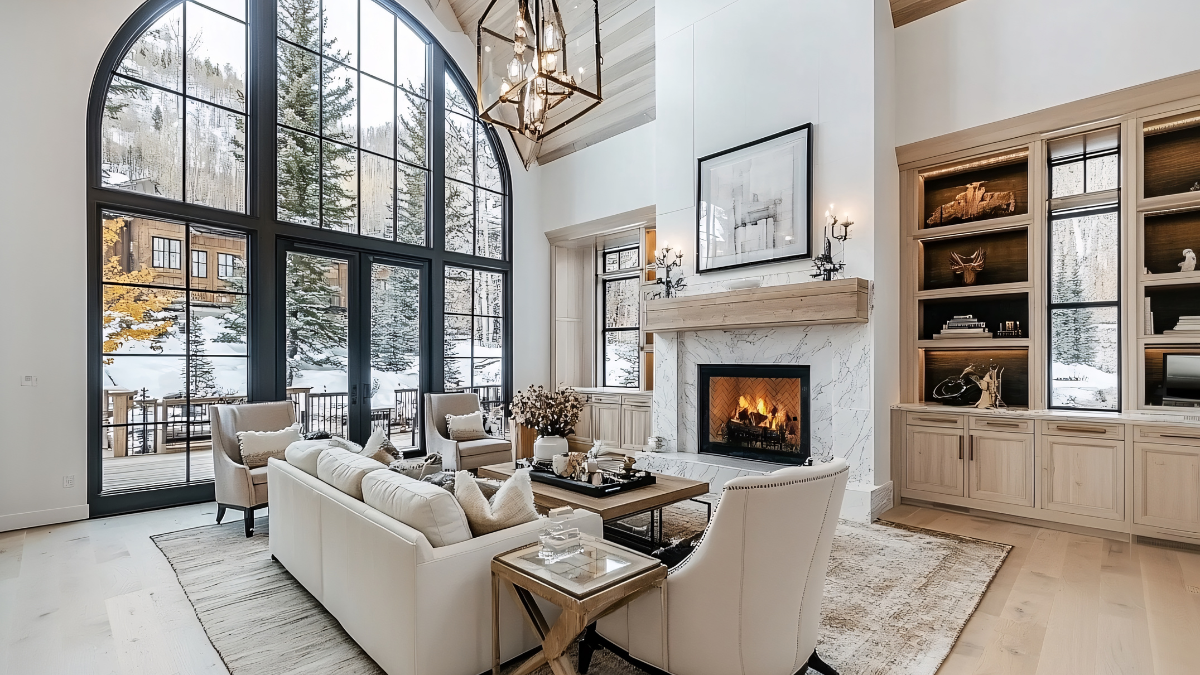
Cabin trips feel timeless. The very idea of leaving traffic, screens, noise, full schedules and replacing them with trees, silence and simple routines appeals to us on a deep level. Cabin trips aren’t a “vacation style” in the same way that a resort or city trip would be. Cabin trips are a feeling. And that’s exactly what we mean when we talk about the cabin trip aesthetic.

Cabin Trip Aesthetic: Not Perfect, but Perfectly Cozy
The cabin trip aesthetic is about the feeling of coziness. Not perfection, not luxury, but slowness, texture, warmth and presence. It’s the crackling of a fire, the wind in the trees outside, the weight of a sweater and that extra time in your day when you wake up and realize you have nowhere you need to be. The cabin trip aesthetic can manifest itself in a cabin in the woods, one by a lake, in the mountains, or a snowy retreat. It is found in the details and the way you engage with the space and time around you.
In this post, we’ll be diving deep into the cabin trip aesthetic. What it is, why it resonates with us, how to capture it through space, routine, outfit, food and mindset. Whether your cabin trips are in winter, fall or even summer, this post will help you lean into the cabin experience intentionally and fully.
What the Cabin Trip Aesthetic Really Is
At its core, the cabin trip aesthetic is the intersection of cabin space, coziness and simplicity. It is about quiet and respite, the feeling that you can pause and be in one place for a time. Cabins are by their very nature a reaction to overstimulation and busyness. Cabins are about retreat, shelter, and grounding. Shelter from the elements, but still with the texture and feeling of the natural world around you.
It’s important to note that the cabin trip aesthetic is not about performing or taking staged photos. Cabin trips are not about perfection or a picture-ready cabin. Cabin trips are about feeling safe and calm. The aesthetic is wood textures, warm lighting, layers of fabric, natural materials and a sense of privacy. Cabin trips are also about quiet activities and routines over busy itineraries.
Elements of Cabin Trip Aesthetic:
Natural materials like wood, stone, wool and linen
Warm, neutral color palettes
Soft, low lighting from lamps, candles, or firelight
Slow activities like reading, cooking, walking, or journaling
Disconnecting from everyday life
The cabin trip aesthetic is being present with where you are, rather than documenting or curating your experience for others.
Why Cabin Trips Feel So Restorative
The cabin trip aesthetic feels so resonant and meaningful to us because of what it provides: a complete contrast from daily life. For most people, daily life involves at least some constant noise, screen time, deadlines and high input. All of that gets stripped away at once on a cabin trip.
Part of this is nature. Trees, water, mountains, open sky have a powerful effect on the nervous system. In the absence of noise and expectations to be productive, the mind and body naturally slow down.
Part of this is also routines. Small daily routines in cabins like brewing coffee, lighting a fire in the evening, making simple food or going outside for fresh air become comforting rituals. The cabin trip aesthetic, because of its intentional lack of design, helps provide some small stability and comfort that we’re often missing from everyday life.
The Cabin Aesthetic on an Emotional Level
The cabin trip aesthetic isn’t just in the looks. It’s also an emotional experience. The cabin trip aesthetic is about rest, reflection and reconnection. It’s about that sense of calm, or nostalgia, or clarity you often get on a cabin trip. Cabin trips give us space to notice how we’re feeling without all of the constant input and distraction.
It is no wonder that cabin trips often feel more meaningful than regular vacations. The lack of outside stimulation gives space for emotions and thoughts to arise. Cabin trips can be restful, but sometimes the space can lead to processing feelings or thoughts we’ve been too busy for.
The cabin trip aesthetic is often more than the visuals.
Finding the Right Cabin for the Aesthetic
The cabin itself is a big part of the cabin trip aesthetic. Cabins, while not all the same, often have a few key elements that make up the classic cabin aesthetic.
Cabins with exposed wood beams, fireplaces or wood stoves, large windows and basic furnishings naturally lend themselves to the cabin aesthetic. But even modern cabins can be cozy if they incorporate natural light, minimalism and warm fabrics and materials.
Cabins that are deep in the forest, by a lake, or in the mountains also tend to amplify the retreat feel. The further away the cabin is from busy roads or cities, the easier it is to really dive into the aesthetic.
That said, the cabin trip aesthetic is about intention, not perfection. An older, run-down cabin can often feel more authentic to the aesthetic than a newly remodeled one. Character and comfort are what matters, not design fads.
Cabin Trip Aesthetic by Season
Winter Cabin Trip Aesthetic
Winter cabins are often what people picture first when it comes to cabins. The contrast between cold, harsh outdoor weather and cozy interior is a big part of what defines the winter cabin aesthetic.
Winter cabin trips are all about indoor comforts. Fireplaces, blankets, hot drinks and slow mornings are the rhythm of the day. Winter cabin aesthetic is also more layered and warmer. Thick sweaters, heavy socks and soft lighting are the order of the day.
Winter cabin activities are quieter: reading, games, cooking, watching snow fall outside or taking short walks in cold air before coming back inside and warming up.
Fall Cabin Trip Aesthetic
Fall cabin trips tend to feel earthier, more nostalgic and even a little melancholy. The color palette of the fall cabin aesthetic is browns, oranges, deep greens and golden yellows. Leaves crunch underfoot and the air is crisp but not biting.
The fall cabin aesthetic plays into harvest foods and foods and spices, as well as time outside. It’s a soup season, baking, stewing and early sunsets. Fall cabin trips feel very much like a transition season and this makes them perfect for journaling, creative work or just slowing down before winter.
Summer Cabin Trip Aesthetic
Summer cabin trips are lighter and more open. Windows are open, there’s lots of natural light and daylight hours are long. Summer cabin trips have a more relaxed and airy aesthetic, with lighter fabrics and more time outdoors.
Summer cabins are defined by outdoor meals and activities, lake swims, coffee on the porch in the mornings and evening walks. Even in summer, cabin trips maintain a feel of simplicity and grounding.
Clothing Aesthetic for Cabin Trips
Cabin trip clothing is all about comfort. The cabin trip aesthetic prioritizes clothes that you can feel comfortable in.
Think layered clothing, natural fabrics and neutral colors. Sweaters, flannels, long sleeve shirts, leggings, relaxed pants, wool socks and comfortable boots all easily work in a cabin.
Cabin trip clothing isn’t dressing up so much as dressing with intention. Clothes that allow you to move easily, stay warm and relaxed support the overall cabin trip experience. Bright colors and flashy styles aren’t avoided as much as natural, muted and earthy tones that blend into the landscape.
Outerwear is also key. A good jacket, scarf and hat can make spending time outside more appealing, even in winter.
Food and Drink Aesthetic for Cabin Trips
Food is a big part of the cabin trip aesthetic. Cabin trip meals tend to be simple, hearty and comforting. Cooking feels less like a chore and more like part of the experience.
Favorite cabin trip foods include:
Soups, stews and chili
Fresh bread, butter and cheese
Pasta or one-pot meals
Roasted vegetables
Hot drinks: coffee, tea or cocoa
Cooking in a cabin kitchen feels more communal and grounding. There’s less pressure to go out to eat or rush through meals. Food becomes a slow, shared ritual.
It’s also OK if the food isn’t fancy. Meals don’t have to be Instagram-worthy, they just need to be warm, nourishing and satisfying.
Activities that Work with the Cabin Trip Aesthetic
Cabin trips don’t have packed itineraries. Cabin trips thrive on having open time.
Typical cabin trip activities:
Reading books you’ve been meaning to finish
Journaling or writing
Walking slowly in nature
Playing board games or cards
Listening to music or natural sounds
Quiet time with a warm drink
Activities might sound simple but it’s by design. Cabin trip aesthetic prioritizes depth over novelty and being present over being productive.
Sometimes doing nothing at all is the best cabin activity. Sitting and watching light change, listening to rain or wind, or simply resting are all cabin-approved activities.
Creating the Cabin Aesthetic Through Space
Lighting is key to the cabin aesthetic. Harsh overhead lights can ruin the mood where as soft, warm lighting can help create it.
Lamps, candles, fireplaces and string lights all help with a cabin aesthetic. Natural light is equally important. Open curtains and letting natural light in during the day help create that connection between inside and out.
Sound also matters. Silence is part of the cabin aesthetic. Some people like to add soft music, but others prefer natural sounds: wind, rain, birds.
Minimal clutter is also helpful for the cabin aesthetic. Cabin trips are more about feeling calm and intentional rather than busy and crowded.

Cabin Trip Aesthetic for Different Travelers
Solo Cabin Trips
Solo cabin trips are often the most restorative. Cabin aesthetic is very inward-facing and leans hard on introspection and quiet routines. Cabin trips without social obligations are prime opportunities for deeper rest and reflection.
Journaling, reading, long walks are some of the most common cabin activities for solo trips. Cabin trip aesthetic is very personal.
Couples Cabin Trips
Cabin trips for couples often shift the focus to connection. Shared meals, long conversations and quiet time together replace more busy schedules.
Connection also means less distraction, which means more space for being present with one another. Cabin trip aesthetic becomes less about visuals and more about emotional connection.
Group Cabin Trips
Group cabin trips can also fit into the cabin aesthetic as long as the group is down for a slower pace. Cooking together, playing games, and spending time outside are some of the ways cabins help create a sense of community and warmth.
Balance is key here. Too much structure or planning and the calm gets disrupted. Shared routines help.
Photographing the Cabin Trip Aesthetic
If you do want to photograph your cabin trip, cabin trip aesthetic works best when your images feel natural, not staged. Focus on details over poses.
Good subjects for cabin trip photos include:
Coffee mugs on wooden tables
Window light
Fires burning or candles lit
Textures: blankets, wood, snow
Outdoor scenes or time in nature
Try to avoid over-editing or altering images. Muted tones and natural light often best reflect cabin mood and feelings. Cabin trip aesthetic is more about capturing how a space feels, rather than documenting how it looks.
The Emotional Side of Cabin Trip Aesthetic
The cabin trip aesthetic isn’t just about visuals. Cabin trips are also an emotional experience. Cabin trips feel meaningful and calming because they give us space to notice how we feel. Cabin trips often bring up a sense of calm, nostalgia, clarity or lack of clarity, sometimes all at once.
The absence of outside stimulation allows for space to process things. Cabin trips can feel restful, but sometimes the quiet is an invitation to notice things we’ve been too busy to pay attention to.
Cabin trips feel meaningful and long-lasting because the cabin aesthetic is emotional, not just visual.
Final Thoughts on Cabin Trip Aesthetic
The cabin trip aesthetic endures because it provides something that many of us are seeking. In our world that is so loud and demanding of our attention, cabins are a place of pause. Cabins provide shelter, quiet and simplicity.
The cabin trip aesthetic is not about trends or social media. It’s about creating an environment that lets you breathe, rest, and recharge. Cabin trips don’t last long but often the experience sticks with you for much longer.
A cabin trip doesn’t need to be perfect to be a powerful and life-changing experience. It just needs space, intention and a willingness to be open. When you lean into the cabin trip aesthetic with intention, your cabin experience becomes less about where you went and more about how it felt to be there.
Save pin for later


- 13 Things You Can Depend On Narcissists to Do - May 11, 2026
- 12 Ugly Things Women Do in Relationships(+Why They Happen) - May 11, 2026
- 8 Stages of Emotional Intimacy in a Relationship (+How to Build It) - May 10, 2026