
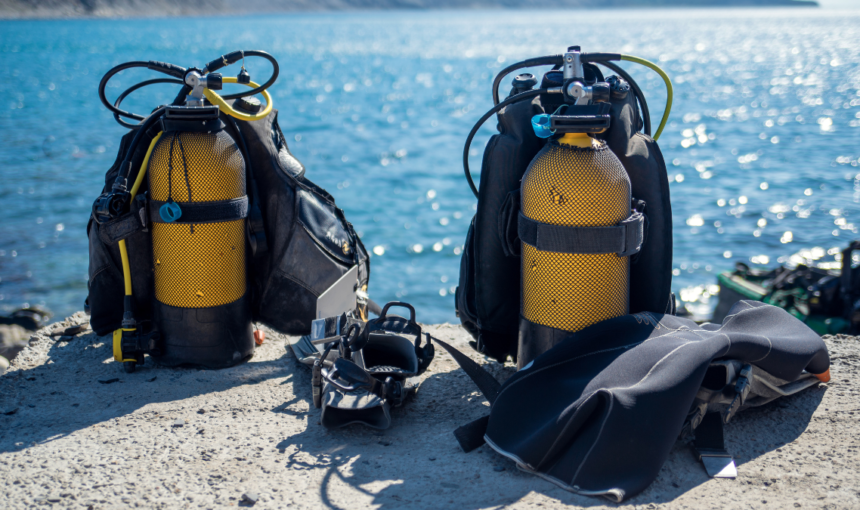
There’s no feeling quite like floating underwater with fish swimming all around you. Snorkeling is fun, but when you take the plunge with scuba gear on your back you enter a whole new world.
That said, diving also takes some preparation. After all, you wouldn’t want to forget something important like your mask or ruin your camera by going into the ocean without your waterproof case.
Scuba diving essentials will ensure you’ve got everything you need for safe and fun dives. Here’s what beginner and advanced scuba divers should know.
Do You Need Scuba Diving Essentials?
When scuba diving, you can’t exactly run back to your car or hotel room if you forget something at home. Preparation is key when it comes to scuba gear because your safety and comfort depends on it.
Here are some benefits of being prepared with the right scuba essentials:
- Keep yourself safe
- Stay comfortable in different environments
- Have better control while underwater
- Avoid unnecessary stress
Proper scuba gear also allows you to focus on the fun part of diving: seeing beautiful coral reefs and sea creatures!
Essential Scuba Gear Checklist
Here are dive essentials that every scuba diver needs. Consider this your definitive dive packing list!
Mask
Having a good mask is one of the most important scuba essentials. Your mask allows you to clearly see underwater by creating a pocket of air in front of your eyes.
Here’s what to look for in a quality mask:
- Comfortable fit with no leaks
- Tempered glass lenses
- Silicone skirt for flexibility
Don’t cheap out on your mask. A poor fitting mask can destroy your whole dive.
Snorkel
Don’t sleep on the usefulness of a snorkel. While underwater, snorkels allow you to breathe from the surface using ambient air instead of your tank.
A snorkel is great for conserving your air so you don’t run out while diving.
Fins
Imagine swimming in open water without fins. You’d have a difficult time moving quickly and efficiently through the water. Fins are the same for your legs!
Depending on where you’re diving, you’ll either want full foot or open heel fins.
Wetsuit or Drysuit
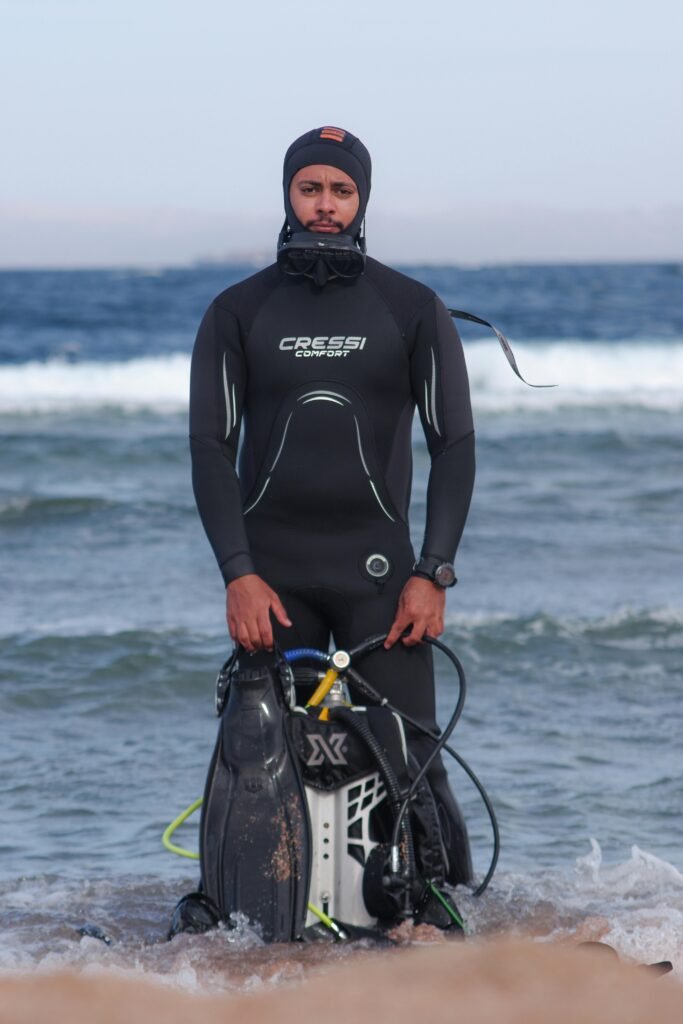
Unless you’re planning on diving in warm water every time, you’ll need either a wetsuit or drysuit to keep you warm.
Wetsuits are thicker than drysuits and allow a thin layer of water to flood your suit. Your body heat will warm this water and insulate you.
Drysuits are used in colder environments to keep you completely dry.
Buoyancy Control Device (BCD)
A BCD is what you use to move up and down in the water. Use your BCD to inflate for going up, deflate to sink deeper, and maintain neutral buoyancy.
Look for a BCD that:
- Has a snug fit
- Features easily accessible pockets
- Controls your buoyancy well
This might take some practice to learn, but you’ll get the hang of it.
Regulator
Your regulator consists of:
- A primary second stage (what you breathe from)
- Alternate air source
- Pressure gauge
- Depth gauge
Essentially, regulators take the air from your tank and reduce the pressure so you can breathe comfortably.
Tank
Your tank holds your compressed breathing air. You can usually purchase tanks from dive shops or rent them.
Before using a tank, make sure you know:
- How to tell the difference between aluminum vs. steel tanks
- How to check for proper air capacity
- Tank maintenance and storage tips
Camera
Although not required, most people bring some type of camera on their dives. Action cameras like GoPros are waterproof, making them perfect for snapping photos underwater.
You can purchase underwater waterproof cases that fit most cameras.

Pick the Right Kind of Camera for Your Next Adventure
Invest in a GoPro if you’re looking for a versatile camera that can take on any environment. You can buy a GoPro specifically for scuba diving or purchase a waterproof case that attaches to your current camera.
Take your best scuba diving shots yet with one of these cameras.
Dive Computer
Your dive computer records your depth, dive time, and ascent rate. This prevents you from getting decompression sickness and helps you plan safe dives.
Learn How to Use a Dive Computer the Easy Way
Dive computers may seem complicated, but they’re actually pretty easy to use. Dive computers have made diving much more accessible for beginner divers.
If you can only invest in one piece of personal dive gear, make it a dive computer.
The Extras
In addition to the basic dive gear listed above, there are a few other things that can make your life underwater easier.
Knife or Cutting Tool
A knife is another crucial safety item to have on you while scuba diving. Use your knife to cut yourself out of fishing lines, nets, or other debris if you get tangled.
Get a nice sharp knife that’s rust resistant and easy to reach in an emergency.
Surface Marker Buoy (SMB)
An SMB is a buoy you can inflate while ascending or lying on the surface to signal your position to boats. These are great for crowded areas with lots of boat traffic.
Dive Light
You might be thinking, why would I need a dive light during the day? But trust us, a dive light opens up a world of opportunities for you.
A dive light allows you to:
- See better during night dives
- Investigate dark crevices
- Spot creatures that hide during the day
- Enhance colors for photography
Plus, most lights these days are super cheap. Grab one while you’re at it!
Compass
A compass might not seem necessary, but they come in handy when diving. Since visibility underwater can be poor, it’s easy to lose track of where you are.
Use a compass to find your way back to where you started.
Underwater Slate or Notebook
Slates are mainly used for communication and taking notes underwater. You’ll probably use this if you’re on a dive tour or taking classes.
Personal Comfort Items
You might be wondering why sunscreen is on this list of scuba essentials. Aren’t sun and water supposed to cancel each other out?
While diving you will:
- Get dehydrated easily
- Feel pressure in your ears
- Need visibility
- Get cold even in warm water
Need Dive Insurance?
Before your next dive, make sure you’re 100% covered with dive insurance from Bright most affordable and flexible dive insurance plans!
Sun Protection
Trust us, you do not want to get sunburned while diving. Not only is it painful, but it’s also dangerous when you’re submerged in water.
Get yourself some reef-safe sunscreen to block the sun’s rays and rinse off excess salt water after diving.
Towel & Dry Bag
If you’re diving from a boat or on a beach, you’ll want to stay organized with a waterproof dry bag. A dry bag can hold all of your belongings and keep them safe from water damage.
Dry bags pair nicely with a microfiber towel. Microfiber towels dry fast so you’ll always have a dry towel on you.
Water Bottle
Last but not least, you’ll want a water bottle. Staying hydrated is one of the most important things you can do as a diver but it’s often overlooked.
Drink plenty of water before a dive to avoid fatigue.
Scuba Safety Essentials
Don’t take safety for granted on your scuba diving adventures. Always double-check these dive safety essentials before getting in the water.
First Aid Kit
Your first aid kit should include the following:
- Bandages
- Antibiotic ointment
- Pain relievers
- Motion sickness medicine
- Emergency contact information
It’s also a good idea to include:
- Dive insurance information
- Dive computer brand and model
- Emergency contacts
Emergency Contacts
Speaking of emergency contacts, you should always dive with the number of a emergency contact on you.
Add the contact information of someone who lives nearby you as well. If something happens while you’re abroad, you’ll want someone to reach easily.
Dive Insurance
Accidents happen, even to the most experienced divers. Dive insurance can cover you if something goes wrong on a dive in case of an emergency.
Learn more about the importance of dive insurance here.
Buddy System
A lot of newbies make the mistake of thinking that diving is a solo sport. It’s not. When diving with scuba gear, you should always buddy dive.
Your dive buddy is there to help you out if an emergency arises. At the end of the day, dive buddies look out for each other.
Packing Essentials
Whether you’re going on a weekend getaway or a month-long scuba diving vacation, proper packing is essential.
Pack Smart
When packing your dive gear, keep wet and dry items separated. Use packing cubes or mesh bags to separate your dive equipment from clothes.
Keep Necessary Items On-Hand
You should always keep essential gear on-hand in case your luggage is lost. Carry-on:
- Mask
- Computer
- Certification card
It’s also a good idea to throw in extras:
- O-rings
- Mask strap
- Fin straps
Renting versus buying gear? Bring spare parts with you just in case.
Preparation Essentials
Before you jump into the water, go over these preparation diving essentials.
Do a Gear Check
Before entering the water for your dive, be sure to do a gear check. Inspect all of your gear to make sure nothing is damaged or missing.
Plan Your Dive
Get your fellow divers together and discuss:
- Maximum depth
- Dive time
- Entry/exit points
- Emergency situations
Weather Conditions
Keep an eye on local weather conditions like:
- Currents
- Visibility
- Wind
Try to avoid diving in bad weather.
Choosing Scuba Gear
When in doubt, buy used scuba gear from professionals. You should also keep the following in mind when choosing scuba gear.
Fit Is Important
Comfort is king. Don’t buy gear that doesn’t fit your body just because it’s cheaper.
Buy Dive Gear Slowly
When starting out, you don’t need to buy all of your gear at once. Start with the essentials that are personalized to you:
- Mask
- Fins
- Computer
You can always buy the rest later on.
Rent When You Can
If you’re unsure about a certain type of gear, rent it first. You can always rent things like wetsuits, BCDs, and dive tanks.
Mistakes to Avoid
Here are some scuba diving mistakes to avoid as a beginner diver.
Scuba Diving Essentials Final Thoughts
Remember these scuba diving essentials next time you go on a dive trip. Being prepared with the right gear and knowledge can mean the difference between life and death!
Adventure awaits underwater, so what are you waiting for? Go buy that dive mask.
Save pin for later


- 13 Things You Can Depend On Narcissists to Do - May 11, 2026
- 12 Ugly Things Women Do in Relationships(+Why They Happen) - May 11, 2026
- 8 Stages of Emotional Intimacy in a Relationship (+How to Build It) - May 10, 2026