olidays are rarely just dates on a calendar. They are about atmosphere, memory, emotion, and the feeling of stepping outside ordinary time. The holiday aesthetic is the invisible thread that ties all of that together. It’s not only what holidays look like but also how they feel, how they sound, and how they live in our minds long after they’re over.
In recent years, the concept of a “holiday aesthetic” has become more intentional. People are no longer just decorating or traveling out of obligation. Instead, they’re seeking meaning, calm, and alignment. They want their holidays to feel restorative rather than rushed, personal rather than performative, and emotionally nourishing rather than overwhelming.
The holiday aesthetic is not about perfection or curated moments to display. It’s about atmosphere. It’s about choosing how you want your holidays to feel and building your surroundings, routines, and traditions around that feeling.
In this blog post, we will explore:
What the holiday aesthetic is, truly
Why the holiday aesthetic matters so deeply
The myriad of ways holiday aesthetics show up across cultures and seasons
How to build a holiday aesthetic that comes from you instead of from expectation

What the Holiday Aesthetic Really Means
At its core, the holiday aesthetic is the emotional and sensory environment that defines how you experience holidays. It includes the visuals like lighting, colors, and decor, but it goes much deeper than that.
A holiday aesthetic may include:
The pace of your days
The rituals you repeat
The sounds, smells, and textures that surround you
The balance between togetherness and solitude
The emotional tone you associate with the season
For some people, the holiday aesthetic is lively and social, filled with gatherings, laughter, and shared meals. For others, it’s quiet and introspective, centered around rest, reflection, and simple comforts. Neither is more valid than the other.
The holiday aesthetic becomes meaningful when it aligns with who you are and what you need during that season of life.
Why the Holiday Aesthetic Matters So Much
Holidays are emotionally loaded. They carry nostalgia, expectations, cultural pressure, and personal memories all at once. Without intention, holidays can easily become overwhelming or disappointing.
The holiday aesthetic matters because it gives shape to your experience. It allows you to reclaim holidays from obligation and redefine them as something that supports your emotional well-being.
When your holiday aesthetic is in alignment with your values:
You feel less rushed
You experience less guilt around how you celebrate
You enjoy the season instead of enduring it
You create memories that feel real rather than staged
In a world that encourages constant productivity and consumption, the holiday aesthetic offers a pause. It’s a reminder that celebration doesn’t have to be loud, expensive, or exhausting to be meaningful.
The Emotional Core of the Holiday Aesthetic
The strongest holiday aesthetics are built on emotion rather than visuals. Before thinking about decorations or plans, it helps to ask a simple question: how do I want this holiday to feel?
Common emotional themes in holiday aesthetics include:
Warmth and comfort
Belonging and connection
Stillness and reflection
Joy and playfulness
Gratitude and appreciation
Nostalgia and remembrance
Your holiday aesthetic may shift year to year depending on your circumstances. A season of rest may follow a year of burnout. A season of celebration may follow a period of isolation. The holiday aesthetic is flexible by nature, designed to adapt to your emotional landscape.
Holiday Aesthetic vs. Holiday Performance
One of the biggest challenges to cultivating a meaningful holiday aesthetic is the pressure to perform holidays for others. Social media, advertising, and cultural narratives often promote a narrow version of what holidays should look like.
This can lead to:
Overdecorating out of obligation
Overplanning and overspending
Attending events that leave you depleted
Feeling like your holidays are “not enough”
The holiday aesthetic is not about meeting an external standard. It’s about internal alignment. A simple, quiet holiday can be just as rich as a full one, depending on what nourishes you.
Letting go of holiday performance is often the first step toward creating an aesthetic that feels honest and sustainable.
Seasonal Influences on the Holiday Aesthetic
The holiday aesthetic is deeply tied to seasons, especially in climates with strong seasonal shifts. Winter holidays often emphasize warmth, light, and coziness in response to darkness and cold. Summer holidays tend to focus on openness, movement, and outdoor living.
Winter Holiday Aesthetic
Winter holiday aesthetics are often associated with:
Soft lighting and candles
Warm textiles like wool and knits
Slow mornings and long evenings
Hearty meals and hot drinks
Quiet rituals and introspection
This aesthetic responds to the natural slowdown of winter and invites rest rather than resistance.

Summer Holiday Aesthetic
Summer holiday aesthetics lean toward:
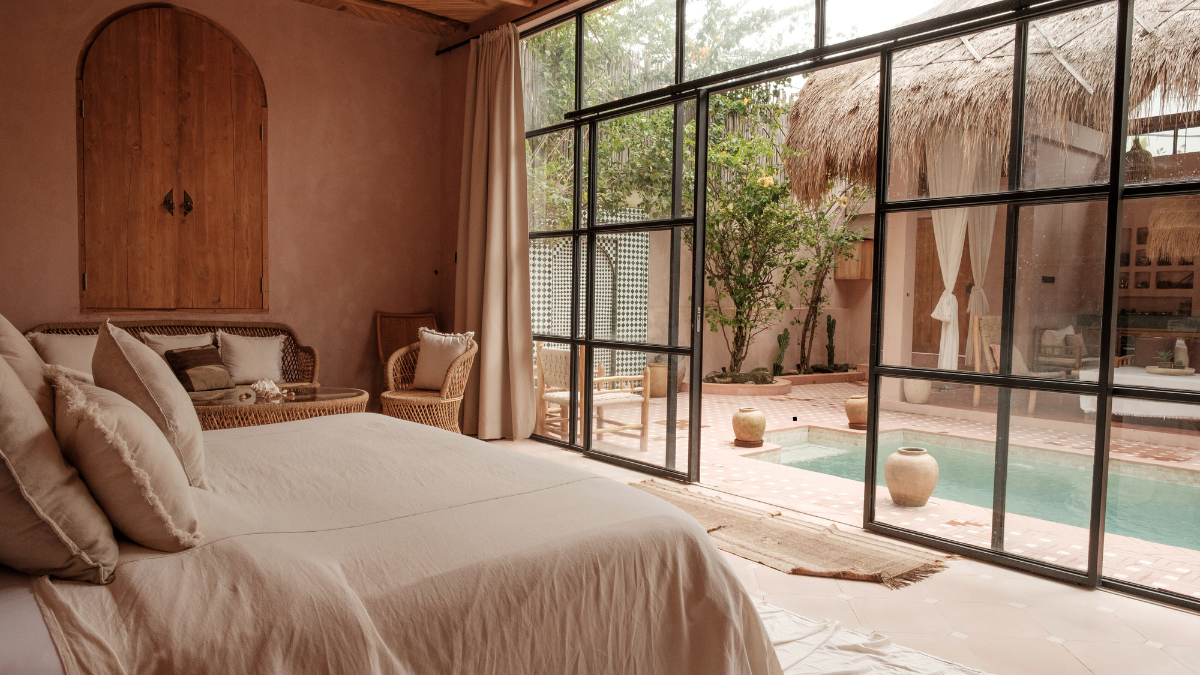
Natural light and open spaces
Fresh foods and simple meals
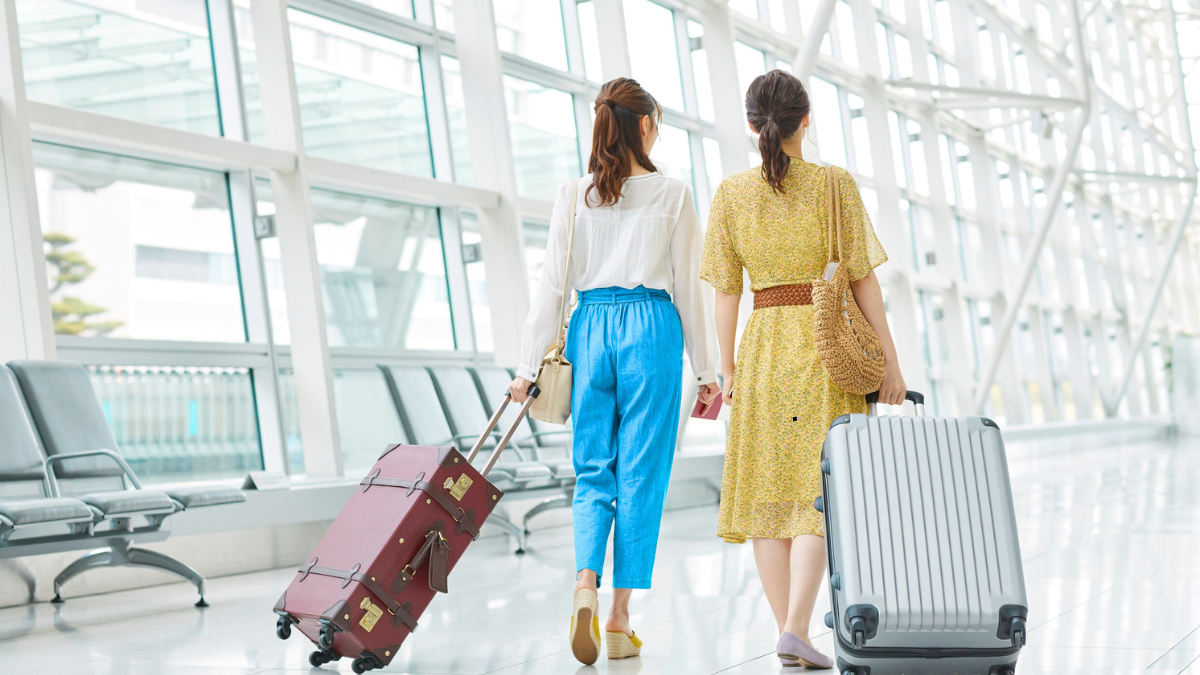
Travel, movement, and exploration
Barefoot comfort and ease
Longer days and looser schedules
Both seasonal aesthetics offer different forms of renewal.
Cultural Expressions of the Holiday Aesthetic
Holidays look and feel different across cultures, and each carries its own aesthetic language. Some cultures emphasize communal celebration and public rituals, while others focus on family, spirituality, or private reflection.
What unites these diverse expressions is intention. Cultural holiday aesthetics are often rooted in shared values, history, and collective memory. They remind us that holidays are not just personal but communal experiences shaped over time.
Learning from different cultural holiday aesthetics can inspire more depth and appreciation in how we celebrate.
The Role of Ritual in the Holiday Aesthetic
Rituals are the backbone of the holiday aesthetic. They provide structure and familiarity, anchoring the season emotionally.
Holiday rituals can be large or small:
Lighting candles at a certain time
Cooking the same meal each year
Taking a winter walk on a holiday morning
Writing reflections or intentions
Setting aside specific days for rest
What matters is repetition and meaning. Rituals turn ordinary actions into moments of presence and connection.
Creating a Holiday Aesthetic That Feels Personal
Building your own holiday aesthetic doesn’t require starting from scratch. It begins with awareness.
Reflect on Past Holidays
Consider which moments from past holidays felt most meaningful to you. They might not be the busiest or most expensive ones, but the quiet ones.
Define Your Non-Negotiables
Decide what matters most to you. Is it rest, connection, creativity, or simplicity? Let those values guide your choices.
Edit, Don’t Add
The holiday aesthetic often improves through subtraction rather than addition. Fewer events, fewer decorations, fewer expectations can create more space for enjoyment.
The Visual Layer of the Holiday Aesthetic
While visuals aren’t the foundation, they can support the holiday aesthetic when chosen intentionally.
This may include:
A consistent color palette
Natural materials and textures
Soft lighting over harsh brightness
Meaningful decor instead of excess
Visual calm often translates to emotional calm.
Holiday Aesthetic and Slowing Down
One of the most powerful aspects of the holiday aesthetic is its invitation to slow down. Holidays disrupt normal routines and create space for different rhythms.
Slowing down allows you to:
Notice small moments
Be more present with others
Reflect on the year that has passed
Transition gently into what comes next
A holiday aesthetic that honors slowness often feels more restorative and memorable.
The Holiday Aesthetic as a Boundary
The holiday aesthetic can also serve as a boundary. Choosing a quieter, simpler aesthetic is a way of protecting your energy.
Boundaries might look like:
Limiting social commitments
Saying no to traditions that no longer serve you
Creating tech-free moments
Prioritizing rest without guilt
A thoughtful holiday aesthetic supports emotional sustainability.
Nostalgia and Memory in the Holiday Aesthetic
Holidays are deeply nostalgic. The holiday aesthetic often pulls from childhood memories, familiar scents, and recurring rituals.
This nostalgia can be comforting, but it can also bring grief or longing. A balanced holiday aesthetic makes room for both joy and tenderness without forcing positivity.
Honoring memory without recreating the past exactly allows the aesthetic to evolve.
Letting the Holiday Aesthetic Change Over Time
Your holiday aesthetic will change as you do. Life stages, relationships, and priorities shift, and so will the way you celebrate.
Letting go of old versions of holidays can be bittersweet, but it creates space for new meaning.
A living holiday aesthetic adapts rather than clings.
Final Thoughts: The Quiet Power of the Holiday Aesthetic
The holiday aesthetic is not about aesthetics in the superficial sense. It’s about intention, emotional awareness, and choosing how you move through one of the most charged times of the year.
When approached with care, the holiday aesthetic becomes a form of self-respect. It allows you to celebrate in ways that feel nourishing rather than performative, meaningful rather than exhausting.
Holidays don’t have to be perfect to be beautiful. They only need to be honest.
And when your holiday aesthetic reflects who you truly are and what you truly need, the season becomes something you experience fully, not something you simply get through.
Save pin for later


- Ultimate Summer Bucket List Poster: Template + Ideas (+ Printable) - March 17, 2026
- Top Summer Bucket List Ideas (+100 Activities for Summer) - March 17, 2026
- Summer Bucket List Ideas to Help You Enjoy the Season - March 16, 2026