Few places in the world can compare to Greece’s fusion of history, natural beauty, culture and Mediterranean charm. Greece is an enchanting country that goes beyond its ancient ruins, originating democracy, philosophy and the Olympic Games. From sun-baked whitewashed villages on picturesque islands to vibrant modern cities, Greece offers visitors a unique mash-up of new and old.
Egypt and Nile Cruise
This complete travel guide for Greece will give you all the basic information you need to know prior to your trip including the best time to visit, transportation, best places to visit, food, culture, and itinerary, insider tips to make your trip memorable.

Why Visit Greece?
Greece is not just a destination but an experience that seamlessly combines the allure of timeless history with the wonders of stunning landscapes and the warmth of its people. Here’s why Greece is such a popular destination for millions of travellers every year:
Ancient History and Mythology: The Acropolis of Athens, the Oracle of Delphi, the Minoan palaces of Crete, all testify to a civilization that helped shape the world of Western thought.
Idyllic Islands: Greece boasts more than 6,000 islands (of which about 200 are inhabited), providing a paradise of sandy shorelines, rugged coastlines, and postcard-worthy villages.
Mediterranean Climate: Greece is blessed with enjoyably sunny weather for most of the year, providing the perfect setting for outdoor adventures, beach days, and al fresco dining.
Scrumptious Cuisine: From fresh seafood to olive oil-laden salads to internationally celebrated feta cheese, Greek food is a highlight of any visit.
Vibrant Culture: Greek customs, music, dance, and hospitality create an instant welcoming atmosphere for visitors.
Adventure Options: For those looking to explore beyond sightseeing, hiking trails, sailing, scuba diving, and mountain climbing are at their disposal.
Best Time to Visit Greece
Greece is a destination that you can enjoy throughout the year, and the experience will differ from one time of the year to the next.
Summer (June-August): The most popular season to be there. Greek island holidays: Santorini and Mykonos, in particular including hot weather, bo industrialenous nightlife, lots of greenery, inflated prices and lots of visitors. Ideal for holiday trips and for festivals on the beach.
Spring (April-May) and Autumn (September-October): Considered to be the best season of the year. Climate is warm and not too hot, fewer people, less expensive. Great for sight seeing and hiking.
Winter (November-March): Low season in most islands, tourist facilities closed down in many locations In Greece, however, Athens and Thessaloniki are still alive and the mountains provide beautiful skiing slopes for snowboarding.
Getting to Greece
Most visitors from oversees come via airplane.
Athens International Airport (ATH): Most important International Airport of the country, connected with all big cities across the world.
Thessaloniki Airport (SKG): Central northern, good base to visit Macedonia and Halkidiki.
Island Airports: Popular destinations such as Santorini, Mykonos, Crete and Rhodes have airports that have connecting seasonal flights with Europe.
Ferries are another of Greece’s iconic means of accessing or traveling between places. Many are bought from Italy, Turkey or other islands, and dock at Piraeus (Athens’ main port) or smaller island portlets.
Getting Around Greece
Your destinations will determine how you travel.
Domestic flights: Can be used easily in long distances (e.g. Athens – Crete or Rhodes).
Hoppa: The Greek travel experience, redefined. They link islands and ports on the mainland. Book ahead during the summer season.
Buses (KTEL): The cost-effective way for getting from town to town or from city to city.
Car Rental: If you are planning to explore rural areas or mountainous regions, it’s essential to rent a car.
Trains: Limited scenic, Athens to Thessaloniki for example.
Taxis and Ride Apps: You should find these available in big cities but always make sure you check the prices before beginning the ride.
Where to Stay in Greece
From budget hostels to luxury resorts, there is something to cater to every budget.
Guesthouses and Pensions: Quaint, often clearly locally owned with friendly staff in traditional style places.
Villas/Vacation Rentals: These are often grouped stays that are particularly well-suited for larger groups or longer stays, especially on islands.
Camping: On offer widely during summer around coastal and rural locations.
Boutique Hotels: Santorini, Mykonos, and Athens feature many boutique hotels that blend sophistication and a touch of local charm.
Top Destinations in Greece
Athens
The colourful capital is a perfect mix of ancient attractions and culture.
Mount & Graveyard Acropolis: Fantastic ruins with a platform to view the city.
Acropolis Museum: The most advanced display of Greek antiquity.
Plaka and Monastiraki: Picturesque districts with stores, tavernas and street tempests.
Syntagma Square: The birthplace of the Greek Parliament and the changing of the Guard.
Santorini
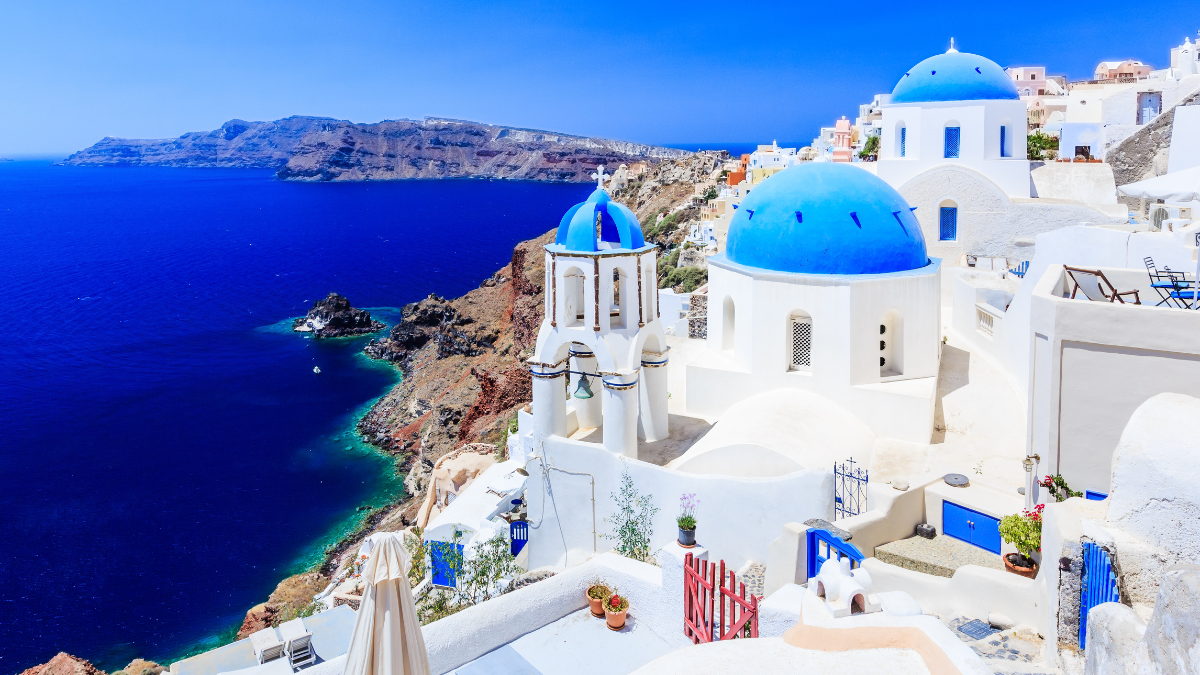
Well known for its romantic sundowns, clifftop villages, and volcanic beaches.
Oia and Fira: Houses painted white and blue-domed Orthodox churches.
Red Beach and Black Beach: Special volcanic sand beaches.
Caldera Views: Stunning views from cafes or hotels on cliffs that are well above the height of the caldera rim.
Mykonos
The sinning island famous for its cosmopolitan character.
Paradise and Super Paradise Beaches: Clubs and beach bars (lively).
Chora (Old Town) of Mykonos: Maze-like streets, wind and watermills, seaside restaurants.
Impressive historic site to visit: Delos Island – Sacred island in Greek mythology.
Crete
The biggest Greek island with everything from beaches to mountains.
Knossos Palace: Minoan ruins.
Samaria Gorge: Great hiking trail in list of oldest and longest hiking trails in Europe.
Chania and Rethymno: Picturesque Venetian ports.
Elafonissi Beach: Famous for its pink sand and shallow turquoise waters.

Rhodes
Also referred to as the “Island of the Knights.”
Medieval Old Town of Rhodes (Unesco World Heritage).
Lindos Fortified Gate: Ancient ruins with an amazing view to the sea.
Beaches: Best place for relaxation with water activities.
Meteora
A UNESCO World Heritage site living up to its name by sitting defiantly on enormous monolith pillars high up above. Great for Photography and Hiking.
Delphi
Once a Greek mythical place from which the world originated. Visit the Temple of Apollo and the ancient theatre.
Thessaloniki
The second city in Greece, young and vibrant.
White Tower: The city’s symbol.
Byzantine Churches: World Heritage Sites.
Ladadika District: Wide range of restaurants/dining, nightlife.
The Peloponnese
A region with a rich history and scenic splendor.
Archaeological treasures of Mycenae and Epidaurus.
Olympia: The home of the Olympic Games.
Nafplio: A picturesque seaside town.
Food and Dining in Greece
“Greek Food of the Mediterranean: One of the best things about traveling is the food, and one of the best things about Greece is eating Greek food. It’s simple, fresh and flavorful, with a reliance on local ingredients such as olive oil, herbs, seafood and vegetables.
Must-Try Dishes
Moussaka: Eggplant, ground meat and bechamel sauce.
Souvlaki: Grilled-up pieces of meat stuffed into pita with veggies.
Horiatiki (Greek Salad): Tomatoes, olives, cucumber, onion and feta cheese.
Gyros: Pita bread wrapped around rotisserie meat with sauces and vegetables.
Dolmades: Rice or meat stuffed in grape leaves.
Baklava: Sweet pastry made with nuts and honey.
Grilled seafood: Octopus, sardines and calamari are Mediterranean delights.
Sip meals with local wines, ouzo (ancient anise-based spirit) or tsipouro (a brandy made from grapes).

Culture and Etiquette
Language: Greek is the official language, though English is spoken throughout tourist areas.
Hospitality: The Greeks are characterized by their warmth and friendliness. Don’t expect they won’t offer you coffee or food.
Tipping: 5% -10% is graciously appreciated.
Casual clothing: No problem, but when going to monasteries or churches modest dress is expected.
Dining Culture: Eating together is a social event and meals typically take several hours. Don’t rush.
Safety in Greece
Greece is a pretty safe country for travellers.
Burglary and theft: Petty theft can happen in busy places, so keep an eye on your belongings.
Road Safety: Roads in rural areas are often narrow or winding. Drive carefully.
Heat: Summers can be very dry – stay hydrated and use sunscreen.
Ferries: Very dependable but liable to suffer from rough seas in winter.
Budgeting for Greece
Greece can be an affordable country, but it depends on where and when you stay there.
Accommodation: Hostels and budget hotels €30–€50 per night; mid-range €70–€120; luxury resorts €200+.
Food: Street food like gyros is under €5; tavernas average €15–€20 per person.
Transportation: Ferries €20–€80 depending on distance; car rentals €30–€50/day.
Attractions: Archaeological sites usually €6–€20. Combination tickets available in Athens.
Suggested Itineraries
5 Days: Highlights of Greece
Day 1: Athens (Acropolis, Plaka).
Day 2: Delphi day trip.
Day 3: Fly to Santorini.
Day 4: Village and beach tour of the island of Santorini.
Day 5: Back in Athens from Oia after sunset watching.
Ten Days: Charles and the Island Mix
Athens (2 days).
Peloponnese (2 days; Olympia, Nafplio, Mycenae).
Santorini (3 days).
Crete (3 days).
14 Days: In-Depth Greece
Athens (2 days).
Meteora and Delphi (2 days).
Peloponnese (3 days).
Santorini (3 days).
Crete (3 days).
Mykonos or Rhodes (1–2 days).
Final Thoughts
Traveling to Greece is like walking into a museum of life while enjoying the beauty of a sun-drenched paradise. Whether you’re exploring ancient ruins, island-hopping in the Aegean Sea, or indulging in slow meals at a seaside taverna, Greece promises a timeless experience that leaves behind an indelible mark on the hearts of every traveler.
From the ancient ruins of Athens to the sacred landscapes of Santorini, from the mountains of Crete to the medieval streets of Rhodes, Greece continues to be a land of contrasts, where the old and the new coexist in mesmerizing harmony. With its vibrant culture, breathtaking landscapes, and customary traditions, a journey to Greece is not just a vacation—it’s an excursion into the soul of Western civilization.
Save pin for later


- Ultimate March Nails: Trendy Nail Ideas to Welcome Springtime - March 21, 2026
- Ultimate Summer Bucket List Poster: Template + Ideas (+ Printable) - March 17, 2026
- Top Summer Bucket List Ideas (+100 Activities for Summer) - March 17, 2026