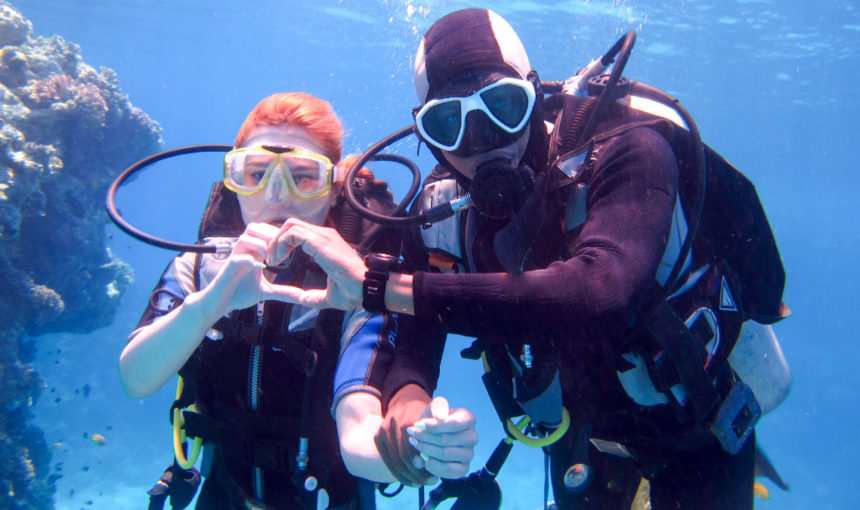
Scuba diving is hands-down one of the most fun outdoor activities you can experience. Instead of exploring on dry land like you would when hiking or camping, you’ll jump into an entirely different world full of quiet, weightlessness, and awe-inspiring wildlife. Scuba diving is an amazing activity that will both thrill and relax you.
Still haven’t figured out if scuba diving is for you? Don’t worry–this guide will teach you everything you need to know about scuba diving!
From what scuba diving is and how it works, to the gear you’ll need, safety tips, how to get trained, and even the best destinations for diving, we’ve put together a comprehensive guide to answer all your questions about scuba diving.
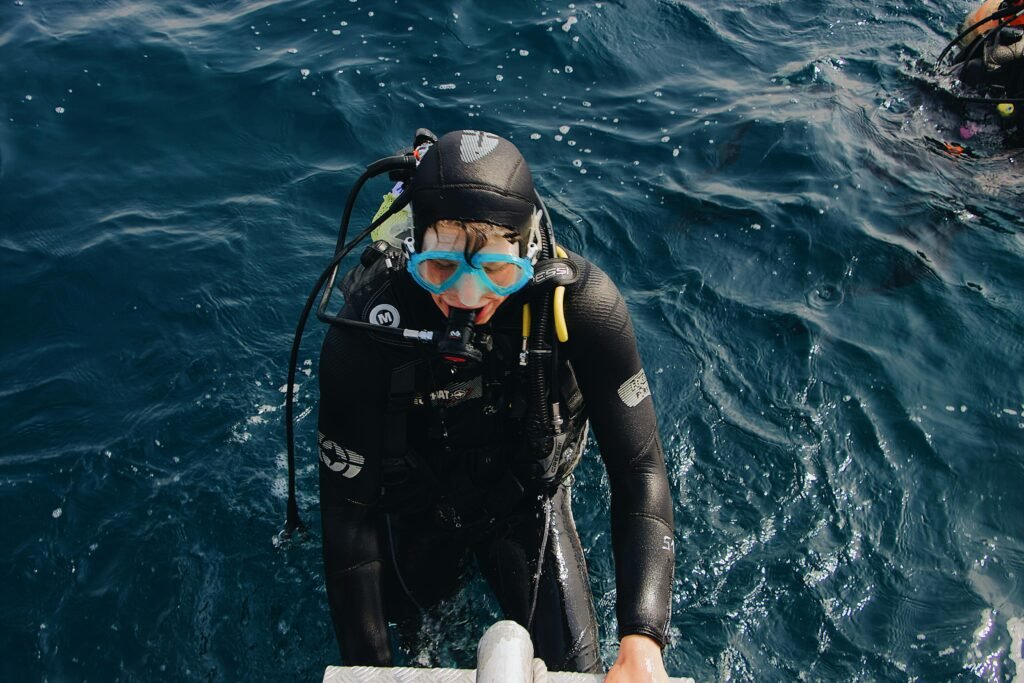
Table of Contents
- What Is Scuba Diving?
- Benefits of Scuba Diving
- Why Is Scuba Diving So Popular?
- Basic Scuba Diving Equipment
- How to Get Started With Scuba Diving
- Safety Tips for Scuba Diving
- Marine Life You’ll Get To See!
- The Best Places To Go Scuba Diving
- Types of Scuba Diving
- Last Thoughts on Scuba Diving
What Is Scuba Diving?
Scuba diving is a type of underwater diving where you breathe from a self-contained underwater breathing apparatus (SCUBA) while submerged below the surface.
Scuba diving allows you to venture deeper underwater for longer periods of time than snorkeling.
Essentially, scuba gear provides you with your own supply of compressed air while underwater so you can freely swim around and explore whatever underwater location you chose. You can look at fish in their natural habitat, walk along the ocean floor, and feel weightless as you drift through the water.
Why Is Scuba Diving So Popular?
Scuba diving has become quite popular all over the world! There are many reasons why.
Let’s take a look at some of the top reasons people love scuba diving:
Explore a Whole New World
Did you know that over 70% of the planet is made up of water? However, most of us only explore a small percentage of it. With scuba diving you’ll be able to explore coral reefs, discover underwater ecosystems, and see sea creatures in their natural habitat.
Feel Weightless
Ever wanted to fly? Well…sort of.
Once you’re underwater, you can move freely in any direction you want. Simply by swimming or using your fins, you can glide through the water as if you were weightless.
Connect with Nature
You’ll be amazed by how you can connect with nature when scuba diving. Swimming with schools of tropical fish, turtle beaches, and reef ecosystems gives you a sense of connection with nature that few other activities offer.
Mental Relaxation
Slowing your breathing and remaining present when scuba diving has been said to have a relaxing, even meditative effect. Many people love spending time underwater as a way to relieve stress and practice mindfulness.
Basic Scuba Diving Equipment
Want to know what equipment is used when scuba diving? Here is a list of basic gear you’ll use when learning to scuba dive:
Mask
A diving mask creates a space in front of your eyes to allow you to see clearly underwater.
Snorkel
A snorkel is used to breathe from the surface without using tank air.
Fins
Fins help your feet move through the water with greater ease.
Wetsuit or Drysuit
Both wetsuits and drysuits protect your body from the cold and help with buoyancy. Which you use depends on water temperature.
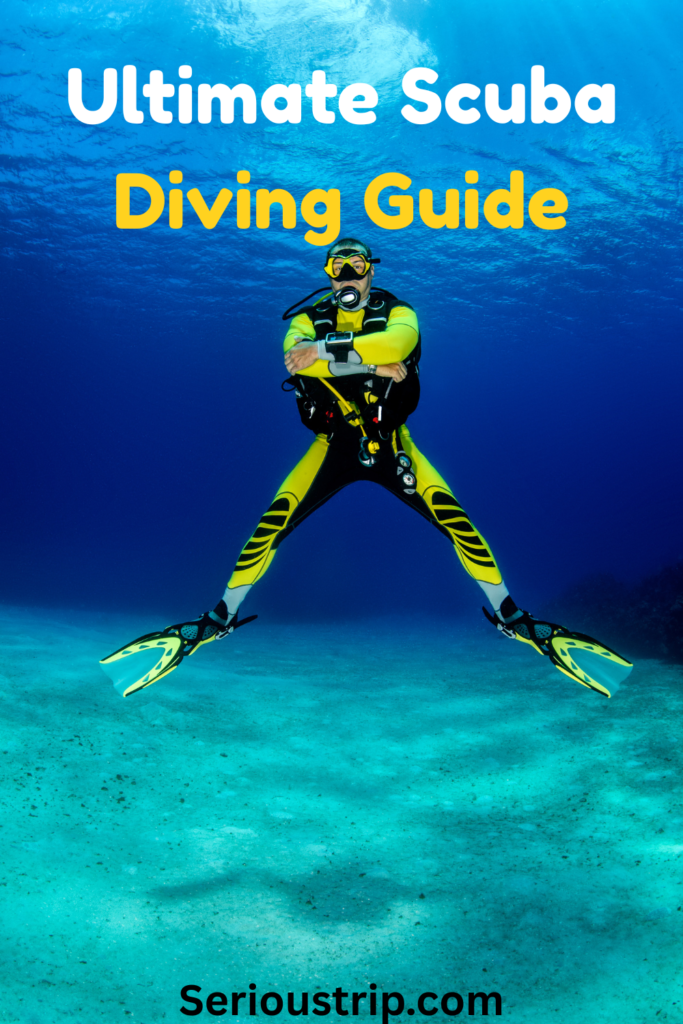
Buoyancy Control Device (BCD)
A buoyancy control device is essentially a vest that helps you control your buoyancy underwater. You can add air to the BCD to become more buoyant and rise towards the surface. Remove air to sink deeper. Letting all of the air out will allow you to neutralize and remain at your current depth.
Regulator
A regulator is used to breathe in compressed air from your tank.
Tank
The tank is where your compressed air is stored.
Dive Computer
A dive computer helps you keep track of how deep you are, how long you’ve been underwater, and your current ascent rate to help avoid decompression sickness.
How to Get Started With Scuba Diving
If you’re new to the sport of scuba diving, a great place to start is by getting certified!
Take a Certification Course
There are several training organizations that you can take a beginner course with. Two popular training organizations are PADI and SSI.
During a beginner course, you’ll learn the basics of scuba diving including:
Learn through online or in person courses
Practice in a swimming pool
Complete open water dives
After completing your course, you’ll officially be certified to dive with a buddy and can dive at dive sites all over the world!
Start Out With Easy Dives
As a beginner, you should start out with beginner friendly dives. Easy dives are typically in calm water and located in shallow water with high visibility. This ensures that you have plenty of time to get used to your gear and feel comfortable underwater.
Safety Tips for Scuba Diving
Like with any activity, safety is crucial when scuba diving. Never take dive safety rules lightly and always dive as safely as possible.
Never Dive Alone
Always dive with a buddy. This is the number one rule in diving! If something were to happen to you, it’s nice to know someone is there to help you as well.
Check Your Equipment
Before every dive be sure to properly check all of your equipment. From boots to tanks, make sure everything is working to ensure a safe and fun dive.
Equalize Your Ears
Everytime you descend deeper into the water, the pressure will increase. You will need to equalize your ears to relieve pressure and avoid pain or injury.
Ascend Slowly
When swimming towards the surface always make sure you’re ascending at a good rate. Ascending too quickly can lead to decompression sickness. You should always do safety stops as well.
Watch Your Air Levels
Keep an eye on your tank and air levels! Make sure you plan your dives accordingly and allow enough time to return to the surface without running out of air.
Fish and Marine Life You’ll See When You Start Scuba Diving
Some of the best parts about scuba diving is seeing all the fish and marine life you’ll encounter!
Not only will you get to see colorful coral reefs, but you’ll also get to encounter countless schools of tropical fish. Here are some of the things you can expect to see:
Sea turtles
Cool fish
Octopus
Whales and dolphins
Sea horses
Corals
Crabs and shrimp
Rays
Sharks
The list goes on and on–you just never know what you might see!
Best Places to Go Scuba Diving
Scuba diving locations can vary depending on what part of the world you venture to.
Some popular tropical destinations include:
Maldives
Bali, Indonesia
Raja Ampat, Indonesia
Philippines
Thailand
While Caribbean destinations are also very popular:
Bahamas
Belize
Cayman Islands
Australia’s Great Barrier Reef is also one of the best places to go scuba diving, as well as Egypt’s Red Sea and Hawaii.
Different Types of Scuba Diving
As you continue learning to scuba dive, you can branch out into different types of diving.
Reef diving is the most common type, where you explore coral reefs and marine life.
Some other types of diving include:
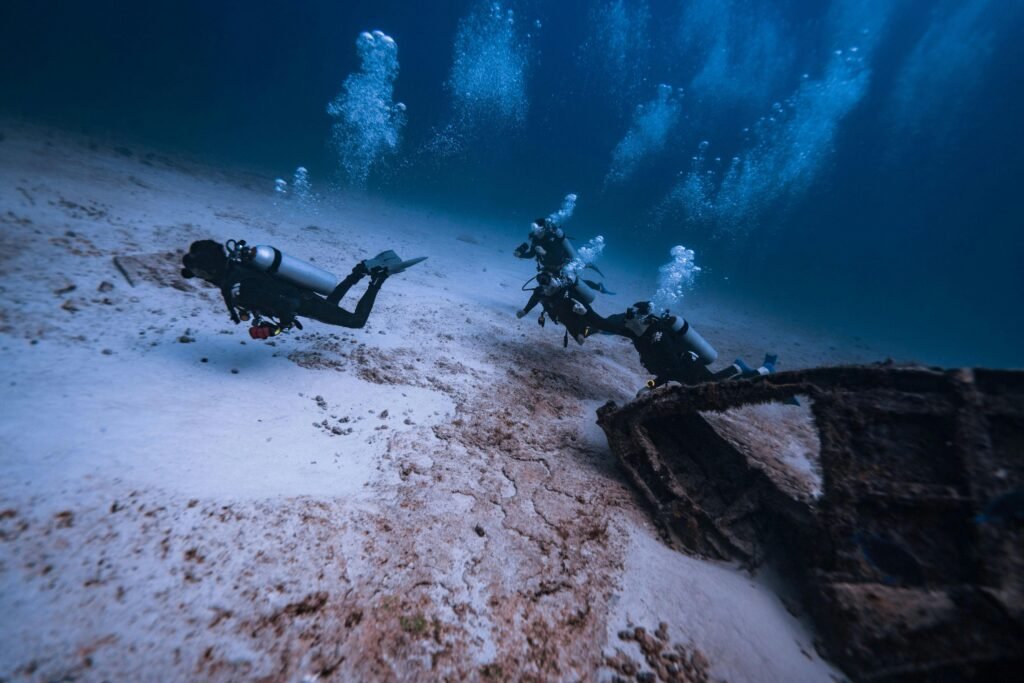
Wreck diving–dives that focus on sunken ships, planes, or even artificial reefs.
Cave diving–a more advanced type of scuba diving where you explore underwater caves.
Drift diving–allows the current to take you wherever it wants while you float and enjoy the view.
Night diving–diving after dark to experience a whole new underwater world.
Benefits of Scuba Diving
Scuba diving isn’t only fun–but it has great benefits too!
Build Up Your Physical Fitness
Swimming and moving around underwater provides a great full body workout that can help build you strength and endurance.
Reduce Stress and Anxiety
Many people who go scuba diving love how relaxing the sport can be. Slowing your breathing and taking time to enjoy your time underwater can help reduce stress and anxiety.
Learn to Be More Aware
Scuba diving teaches you to be aware of your surroundings and others. Proper diving practices include monitoring your air supply and depth as well as being aware of your dive buddy.
Help the Environment
The best part about scuba diving? It can make you want to help the ocean!
Once you see coral reefs and all the wildlife that inhabits these areas, you’ll want to protect them!
Here are some tips on how to be environmentally responsible while scuba diving:
Avoid touching coral
Don’t harass or interrupt marine life
Stay in control of your buoyancy
Avoid polluting the ocean–pick up trash if you see it and refrain from littering
Just like we want future generations to be able to explore the great outdoors, we want them to experience the beauty of the ocean too!
Mistakes Every Beginner Makes When Learning To Dive
Here are some of the most common mistakes made by beginner divers.
Trying to hold your breath underwater
Ascending or descending too fast
Trying to do too much
Not properly checking your equipment
Poor dive planning
Scuba Diving Tips For Beginners
Want an enjoyable first dive? Here are some tips to have the best dive possible:
Remain calm and take slow deep breaths
Listen to your instructor
Don’t rush–take your time and get used to the feeling of being underwater
Have fun!
Remember: like with anything else, you’ll get more confident with practice!
Final Thoughts on Scuba Diving
Whether you’re searching for adventure, relaxation, or a new hobby to pick up this year, look no further than scuba diving.
There’s nothing else like diving into a world most people will never see.
Have you gone scuba diving before? Tell us your favorite dive location below.
Save pin for later

- Scuba Diving Guide: Learn Everything about Scuba Diving - April 5, 2026
- Best Travel Wall Decor: How to Create Wanderlust-Inspired Space - April 3, 2026
- Best Road Trip With Kids: Traveling With Toddlers and Children - April 3, 2026