
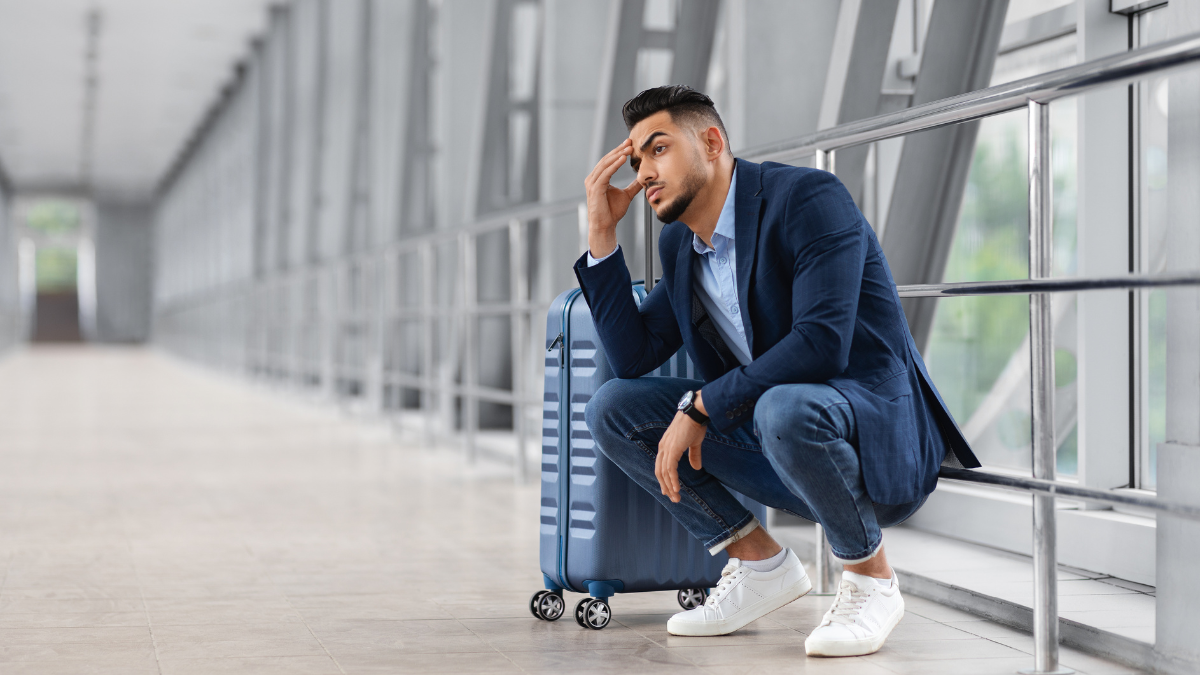
Flying is one of the safest modes of transportation, but for millions of people around the world, getting on a plane can be a daunting task. Flight anxiety, or aviophobia, can turn an exciting adventure into a stressful ordeal. Whether it’s the fear of turbulence, claustrophobia, or just a general sense of unease, the anxiety can be overwhelming.
But if this sounds like you, fear not—you’re not alone. In fact, there are proven strategies that can help you cope with flight anxiety, so you can reclaim your mind and body and enjoy flying.
In this complete guide, we’ll cover the causes of flight anxiety and offer a wide range of tips and strategies that you can use before, during, and after your flight to manage anxiety and travel like a champ.

Understanding Flight Anxiety
Before we jump into the tips, it’s important to understand the root causes of flight anxiety. Here are some common reasons why people may experience fear while flying:
Fear of not being in control: Many people feel anxious because they’re not in control of the aircraft.
Fear of turbulence: The shaking or sudden drops can be jarring and can lead to panic.
Claustrophobia: Being in a confined space with lots of people can be stressful.
Fear of the unknown: Some people are afraid of what they don’t understand, and the whole flying experience can be new and unfamiliar.
Past experiences: If someone has had a negative flying experience in the past, it can trigger anxiety during future flights.
Acknowledging that these feelings are normal is the first step in dealing with them. Anxiety is your brain’s way of thinking there’s a threat even when you are statistically safer on a plane than driving on a highway.
Preparing for Flight Anxiety
One of the best ways to combat flight anxiety is to start preparing well before you board the plane.
1. Educate Yourself About Flying
One of the best ways to reduce anxiety is to gain a better understanding of what you’re anxious about. Educate yourself on the mechanics of flying, safety procedures, and why turbulence is not dangerous. Aircraft are designed to withstand much greater forces than what passengers typically experience, and turbulence is a normal part of flying that pilots and flight attendants are trained to handle.
2. Choose the Right Seat
If turbulence is a concern for you, consider choosing a seat over the wings, where the ride tends to be smoother. If you’re claustrophobic, an aisle seat can provide more space to move around. If you like to see what’s going on outside, a window seat might make you feel safer.
3. Avoid Caffeine and Energy Drinks
Caffeine and energy drinks can increase your heart rate and make you feel jittery, which can worsen anxiety symptoms. Stick to calming beverages like herbal tea or simply water to keep yourself hydrated.
4. Get a Good Night’s Sleep
A rested body equals a relaxed mind. Try to get a good night’s sleep before traveling. If you have an early flight, try shifting your sleep schedule a few days in advance to avoid jet lag.
5. Practice Visualization
In the days leading up to your flight, visualize yourself going through each stage of the journey. Imagine yourself checking in at the airport, boarding the plane calmly, sitting comfortably during the flight, and landing smoothly. This process of mental rehearsal can reduce your fear of the unknown.
Coping Mechanisms During the Flight
No matter how much you prepare, if anxiety arises while you’re on the plane, it’s important to have a toolkit of coping mechanisms ready to go.
6. Practice Deep Breathing
Deep, controlled breathing can calm your nervous system and reduce stress levels. Try this breathing exercise: Inhale for 4 seconds, hold your breath for 4 seconds, exhale for 4 seconds, and pause for 4 seconds before repeating. This exercise can help you relax during periods of anxiety.
7. Distract Yourself
Find ways to keep your mind engaged during the flight. Listen to podcasts or audiobooks, music playlists, or movies that you enjoy. Keeping your brain occupied with positive things can take your mind off fear.
8. Progressive Muscle Relaxation
This involves tightening and then relaxing different muscle groups in your body. You can start with your toes and work your way up to your head, or you can begin with your facial muscles and work your way down. This technique can reduce physical tension caused by anxiety and help you ground yourself.
9. Drink Water and Eat Light
Dehydration can exacerbate anxiety symptoms such as dizziness and fatigue, so be sure to drink water throughout the flight and avoid heavy meals that may make you feel lethargic.
10. Ground Yourself
If you start to panic, try the 5-4-3-2-1 grounding technique:
Look around the cabin and name 5 things you can see.
Focus on the sensation of the seat or armrests and name 4 things you can touch.
Listen to the hum of the engines and name 3 things you can hear.
Smell the freshness of the air filters and name 2 things you can smell.
Sip some water or chewing gum and name 1 thing you can taste.
This technique can bring your focus back to the present moment instead of spiraling into “what if” thinking.
11. Talk to the Flight Crew
Flight attendants are trained to assist nervous flyers, so don’t hesitate to let them know if you’re feeling anxious. They may check in with you, offer reassurance, or answer any questions you may have to put your mind at ease.

Long-Term Strategies for Overcoming Flight Anxiety
Getting over flight anxiety isn’t just about what you do before or during a flight. There are also several healthy habits and long-term coping strategies you can adopt to make each flight progressively easier.
12. Mindfulness and Meditation
Apps like Calm or Headspace offer guided meditations designed to help you overcome travel anxiety. Regular mindfulness meditation can train your brain to respond more calmly in stressful situations.
13. Exercise Regularly
Regular physical activity can help regulate stress hormones like cortisol, reduce muscle tension, and improve sleep quality, all of which help your body better cope with anxiety. Aim to get at least 30 minutes of daily exercise like walking, cycling, or yoga.
14. Cognitive Behavioral Techniques (CBT)
CBT involves identifying negative thought patterns that contribute to your anxiety and replacing them with more realistic and positive ones. For example:
Thought: “The plane is shaking. We’re in danger.”
Reframe: “This is turbulence. Planes are built to handle this, and pilots deal with it every day.”
15. Consider Professional Help
If flight anxiety is severe and preventing you from traveling, you should seek help from a therapist or counselor who specializes in phobias. In some cases, short-term use of prescription medication may also be helpful under the guidance of a medical professional.
Travel-Day Tips and Tricks
In addition to the general strategies we’ve covered so far, here are some practical tips that can help you stay relaxed on the day of your flight.
16. Arrive Early at the Airport
Make sure to get to the airport with plenty of time to spare so that you don’t feel rushed during check-in and security. Rushing around is a major anxiety trigger for many people.
17. Dress Comfortably
Wear loose-fitting clothes that allow your body to breathe and put on comfortable shoes you can easily slip on and off. Avoid tight or restrictive clothing that may make you uncomfortable during the flight.
18. Create a Calming Playlist
Music can have a powerful effect on your mood. Create a playlist of calming or happy songs you can listen to during takeoff, turbulence, or when you start to feel anxious.
19. Stay Connected with Friends and Family
Send a quick message to loved ones before takeoff or after landing to let them know you’re thinking of them. Having someone you care about in mind can help ground you and give you peace of mind.
20. Break the Flight into Stages
Instead of focusing on the total duration of the flight, try breaking it up into smaller, more manageable stages:
Boarding the plane
Taxiing to the runway
Takeoff
Cruising
Descent
Landing
Checking off each stage as you complete it can give you a sense of progress and control.
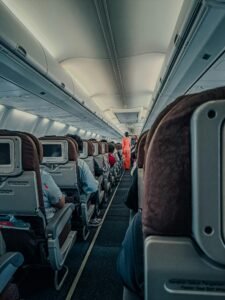
Tips for Navigating Turbulence with Ease
Turbulence is a common cause of flight anxiety for many people. Here’s how to deal with it:
Know that turbulence is normal: Turbulence is uncomfortable but rarely dangerous. Airplanes are designed to withstand much more than typical turbulence.
Visualize waves instead of drops: Try to imagine that you’re gliding over waves in the ocean instead of “falling” through the air.
Focus on the flight crew: Notice how calm and collected the flight attendants are during turbulence. Their confidence is a signal that this is routine and nothing to worry about.
Tips for Building Confidence as a Flyer
As you get more and more flights under your belt, you will gain experience which will, in turn, make anxiety levels drop considerably. Here’s how to start feeling more confident as a flyer:
Start with short flights: Get more practice using the coping strategies you’ve learned before committing to longer flights.
Celebrate small victories: Acknowledge and congratulate yourself for little wins like boarding the plane calmly or getting through turbulence without panicking.
Keep a travel journal: Write about your positive flight experiences and reflect on the progress you’re making.
Wrapping Up
Flight anxiety can be debilitating, but it doesn’t have to rule your life. With the right tools and strategies, you can overcome your fears and reclaim the joy of flying.
Remember that you’re not alone—countless people have had the same fears but have found the courage to take the leap and fly. Traveling by plane can open up a world of opportunities, adventures, and experiences that make the temporary discomfort worthwhile.
So take a deep breath, remind yourself of the tips we’ve shared in this guide, and focus on the journey ahead of you. A calmer and more confident you is possible, and with practice and patience, you can do it.
Save pin for later

- Ultimate March Nails: Trendy Nail Ideas to Welcome Springtime - March 21, 2026
- Ultimate Summer Bucket List Poster: Template + Ideas (+ Printable) - March 17, 2026
- Top Summer Bucket List Ideas (+100 Activities for Summer) - March 17, 2026