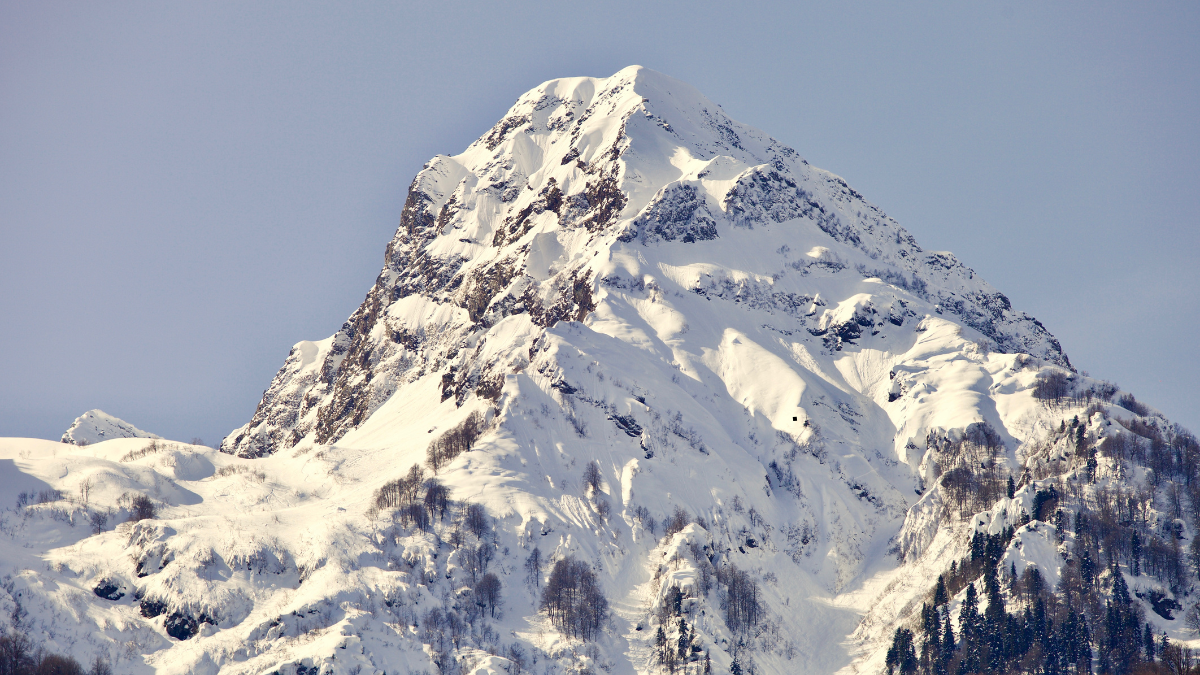
Snowy mountains make us stop and look. From a plane window or the outskirts of a small village to the middle of a frozen path, snow-capped peaks feel powerful, ancient, and deeply serene all at once. They are a picture of stillness and intensity, softness and strength. Snowy mountains are an experience. They have their own sense of time and way of engaging the senses. Traveling to snowy mountains or even simply experiencing them through art, media, or imagination changes us by slowing down, quieting, and reminding us of how small we are in the face of the natural world.
In this blog post, we’ll explore snowy mountains from all sides. What makes them so alluring, how people experience them differently, what seasons and moods snowy mountains hold, what it’s like to travel to a snowy mountain destination, how to prepare, what to do there, and how it stays with you long after you leave. Whether you long for alpine villages, snow-capped dramatic peaks, the silence of a winter hike, or the simple feeling of snow resting on a mountainside, this guide is for you.
Why We Love Snowy Mountains
Snowy mountains are a unique vision in the human mind. Unlike a beach or a city, snowy mountains often seem far away and untouchable, even if we know many people travel to mountain regions every year. Snow also makes mountains feel like another world. Jagged rock becomes softer, forests seem quieter, and familiar places can feel new again.
A lot of it comes from contrast. Snowy mountains balance extremes—cold air and warm interiors, harsh conditions and peaceful silence, physical effort and mental rest. Snowy mountains demand respect but reward it with their beauty.
It is also psychological. Snow is a natural sound absorber, so snowy mountains feel eerily quiet to many people, who often do not get to experience true silence. Coupled with the vastness of mountains themselves, this quiet is grounding and restorative for some. For others, snowy mountains create a sense of adventure and excitement. For others still, they represent solitude, reflection, and escape.
The Aesthetic of Snowy Mountains
Snowy mountains are striking visually in ways few other landscapes can match. Color palettes are usually more simple but also more dramatic: whites, blues, grays, deep greens, and the warm glow of the sun reflecting off of snow. The smaller range of colors also creates a clarity and focus that lets small details pop.
Snow also highlights the shape of mountains. Ridges, peaks, valleys, and slopes take on clear definition as snow clings to or highlights their natural contours. Light also behaves differently. Soft pinks and golds in early morning and late afternoon light, overcast and muted for moody or introspective times, and moonlight in the evening all create a sense of magic that is common to snowy mountains.
Snowy Mountains All Over the World
Snowy mountains are present on almost every continent, and each region has its own character and experience.
Europe: Snowy mountains such as the Alps are some of the most well-known. The Alps stretch through multiple countries and are known for their dramatic peaks, alpine villages, and long mountain cultures. Snowy villages in the Alps present a combination of winter sports, traditional alpine architecture, and cozy interior spaces.
North America: Snowy mountains like the Rockies and the Sierra Nevada present large and rugged vistas. This type of snowy mountain feels wilder and vaster, with large national parks, cabins, and long stretches of unspoiled wilderness.
Asia: The Himalayas represent the extremes of snowy mountains in terms of scale. Their towering peaks and cultural/spiritual significance make them awe-inspiring, even for those who never visit their slopes. The Himalayas carry a sense of reverence and timelessness, even in their snowy form.
South America: The Andes bring snowy peaks alongside dramatic ecological and cultural diversity. In places like Patagonia and Peru, snowy mountains feel raw and powerful, often paired with strong winds and vast spaces.
Snowy mountains everywhere have their own seasonal rhythm, climate, and cultural history with winter, altitude, and nature.
The Feel of Snowy Mountains
Snowy mountains often create powerful emotional reactions in people. Many report deep feelings of calm, clarity, and perspective. The scale of mountains themselves makes personal problems seem smaller, and quiet mountain air encourages introspection.
At the same time, snowy mountains are often intense. Weather can change quickly, conditions can be challenging, and the mountain environment demands focus and respect. The combination of beauty and potential risk means people often feel a heightened sense of presence when in snowy mountains. You are more aware of where you are, what you are doing, and how you feel.
Snowy mountains also connect with nostalgia for many people. The smell of cold air, the crunch of snow under your feet, the warmth of coming inside after being outside—these physical sensations connect to childhood memories or imagined slower, simpler ways of life.
Snowy Mountain Travel
Traveling to snowy mountain regions is a unique experience. Winter conditions create different expectations for transportation, accommodations, and day-to-day living. Roads can be icy and weather-related delays more common. Plans also require more flexibility and spontaneity.
Accommodations are a large part of the experience. Mountain lodges, chalets, cabins, and alpine hotels each have a different feel. Many travelers are drawn to spaces that offer warmth and coziness, with fireplaces, large windows, and gathering spaces that naturally slow people down.
Timing also has an impact. Early winter months bring fresh snow and fewer crowds in some places, while peak winter months are deeper in snow and more “winter”-like in atmosphere. Late winter and early spring can be a special time, with snowy landscapes but longer daylight hours.
Preparing for Snowy Mountain Travel
Planning is key for travel in snowy mountains. Weather can also be less predictable, and comfort often comes from the right clothes and mindset.
Layering is important. Warm, insulated base layers, cozy mid-layers, and weather-resistant outer layers are best for being able to adjust to changing temperatures and weather. Accessories like gloves, hats, scarves, and insulated shoes or boots can also make a big difference in how cozy you feel.
Mental preparation is also key. Snowy mountain travel is often slower and quieter than other types of travel. Approaching the pace instead of fighting it is a more rewarding and restful experience. Flexibility, patience, and appreciation for simple moments are crucial.
Activities in Snowy Mountains
Snowy mountains have a range of activities, but you do not have to be active to enjoy a snowy mountain environment. Skiing, snowboarding, and snowshoeing are popular, but many people also find enjoyment in simply walking through snow-covered forests, sitting by the window and watching snow fall, reading, writing, or cozying up indoors with hot drinks.
Photography is another popular activity in snowy mountains for those interested in capturing light and atmosphere over action.
For active travelers, snowy mountains offer opportunities for winter hiking, mountaineering, ice climbing, and wildlife spotting. These activities can be more physically and mentally demanding but also deepen your connection to the land.
Snowy Mountains and Seasonal Awareness
Snowy mountains are a place where daily life feels more affected by the seasons. In winter, days are often shorter, routines are slower, and indoor spaces become the center of social and domestic life. Meals are heartier, evenings are longer and quieter, and mornings feel more relaxed.
Seasonal rhythms also promote rest and reflection. Many people feel that time in the snowy mountains realigns their internal clock and reconnects them to natural cycles of light, temperature, and energy.
There are also seasonal variations within winter itself. Early winter feels fresh and anticipatory, midwinter feels deep and immersive, and late winter feels transitional with longer light.
Food in Snowy Mountain Destinations
Food and drink are also important in snowy mountain experiences. Cold weather naturally encourages people to seek out warm, filling foods. Soups, stews, roasted meats and vegetables, bread, cheese, and hot drinks all appear in different forms in most snowy mountain cultures.
Mealtime also often feels more communal in a snowy mountain setting. Gathering around shared tables, cooking slowly, and unhurriedly eating are all in line with the general pace of life. Food feels less about novelty or indulgence and more about comfort and sustenance.
Even the simplest meal feels special when eaten after time outside in the cold.
Snowy Mountains and the Four Elements
Snowy mountains are a meeting place of the four natural elements: air, fire, water, and earth. Mountains themselves are products of earth and water (or ice), and fire comes from within as the hearth at the center of cozy indoor spaces. Air is around us and between us in snowy mountains, both outside as cold winter wind and inside as the space we collectively and individually breathe.
Air holds the energy of snowy mountains together, creating a distinct atmosphere. Fire and water change form to become indoor spaces that both support and are supported by their natural settings. Earth and ice create the landscape and seasons themselves.
This four-element balance creates a sense of harmony that we associate with snowy mountains.
Snowy Mountains and Rhythm of Time
Snowy mountains also make us experience time differently. Days pass slower and seem fuller. Moments are more intentional, and the experience as a whole feels more special.
Snowy mountain experiences often leave a residue on our psyche. We carry them with us, both intentionally and subconsciously. Sounds and feelings remind us of where we were. Memories of snowy mountains often return suddenly—perhaps the sound of snow falling, the quality of light at dusk, or the feeling of warmth when we first come inside after being in the cold.
Snowy mountains mark the passage of time differently. Days are shorter, moments feel fuller, and experiences have a sense of intention. We often take this awareness with us, even if we don’t mean to.
Snowy Mountains Feelings and Associations
When we think about snowy mountains, there are words that come to mind. We have collected some here that express common feelings and ideas about snowy mountains:
Still, quiet, rest, grounded, natural, awe, sacred, reverence, deep, presence, clarity, intention, focused, full, clear, simple, distilled, fresh, cozy, warmth, contrast, balanced, wild, raw, ancient, powerful, spiritual, higher, openness, freedom, expansiveness, height, elevation, above, nearness, closeness, direct, alone, solitude, silo.
Save pln for later

- Ultimate Summer Bucket List Poster: Template + Ideas (+ Printable) - March 17, 2026
- Top Summer Bucket List Ideas (+100 Activities for Summer) - March 17, 2026
- Summer Bucket List Ideas to Help You Enjoy the Season - March 16, 2026