
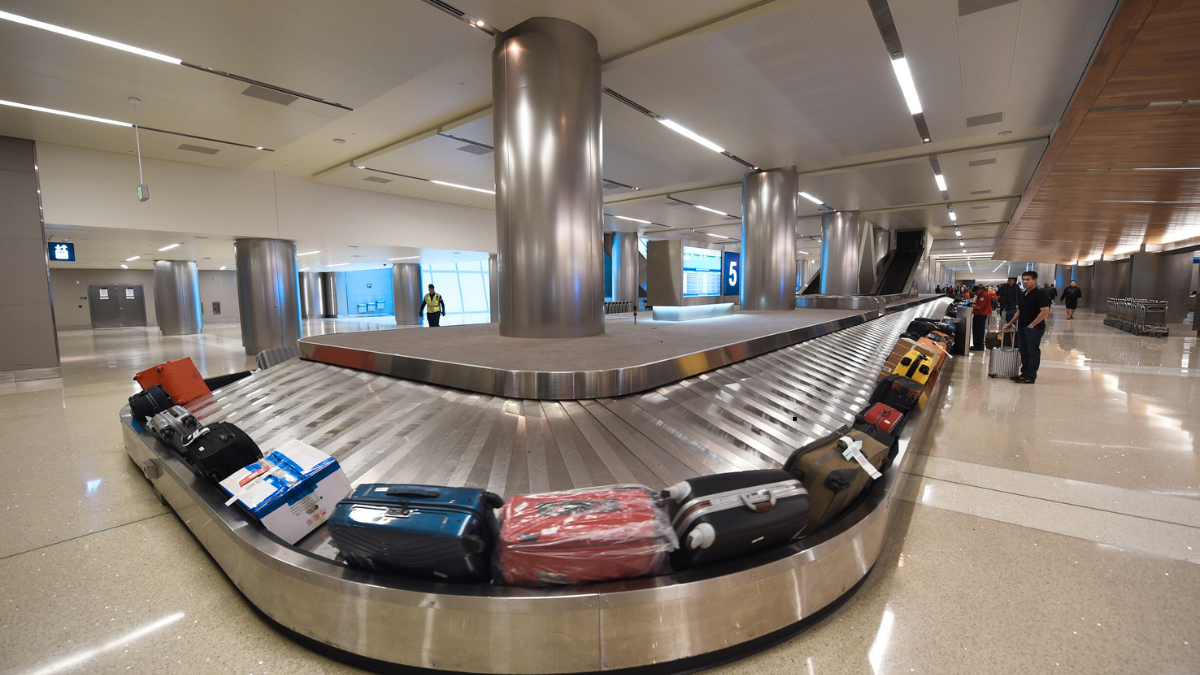
Imagine yourself at the baggage carousel, staring at the belt… spinning… spinning… while everyone around you files past with their bags. Panic sets in.
The fact that your suitcase didn’t show up on that carousel is about to send your mind into overdrive.
Your clothes. Your toiletries. Your electronics. Plans you booked. Arrangements you made. Gone.
Lost luggage is one of the most stressful travel interruptions, and yet it’s far more common than most people realize.
Flight changes, missed connections, damaged tags, system glitches, airline screw-ups… luggage can go missing for any number of reasons and send you scrambling in an airport or city that may be unfamiliar or in a language you don’t speak.
The good news is this:
Missing luggage is almost never permanent. Nine times out of ten, your bag is merely delayed, not lost for all time.
And how you respond in the first few hours is a key factor in how quickly the airline returns your luggage and how much this problem disrupts your trip in the meantime.
From the moment you realize your bag is missing to filing with the airline, replacing essentials without panic or overspending, protecting your rights, and preventing the problem in the future, this is the ultimate guide to what to do if your luggage is lost, at home or abroad.

Step One: Confirm Your Baggage Is Really Missing Before You Panic
Bags can show up late. On the wrong carousel. Or be held and delivered later.
Check nearby belts, and overhead monitors. Confirm with airport or airline personnel if bags from your flight are still being loaded, or if there was a known delay.
For international flights, customs processing can also slow down luggage delivery. Verify that you haven’t missed a special claim area or secondary screening process.
If your luggage really didn’t arrive on your flight, it’s time to spring into action.
Step Two: File a Missing Baggage Report Before Leaving the Airport
Reporting your bag before you leave the airport is the single most important thing you can do if your luggage is lost.
Every airline has a baggage service desk located in or near the baggage claim area. Don’t walk out the door without filing a report.
After you exit the airport or leave the country, this process becomes more cumbersome and sometimes less effective.
Present the following at the baggage service desk:
Your boarding pass or flight confirmation
Your baggage claim tag (if separate from your boarding pass)
Description of your bag (size, color, brand, identifying details)
Contact information and address where you’ll be staying
Be as specific as possible when describing your bag. Is it old or new? Damaged or pristine? Unique stickers or ribbons? Missing wheels or straps? Small details can help airline employees identify your luggage.
After you file your report, you’ll be given a reference number or tracking code. This is crucial. Save it, take a photo of it, and put it somewhere accessible. You’ll need it later.
The Difference Between Delayed, Lost, and Damaged Bags
Airlines categorize baggage into 3 types, and this distinction matters:
Delayed
Lost
Damaged
Delayed luggage is luggage that missed your flight or connection, but is expected to arrive within a short time frame (sometimes within 24 to 72 hours).
Lost luggage is luggage that has not been recovered after a certain period (typically 21 days for international flights), although this varies by airline.
Damaged luggage is luggage that arrives broken, torn, or missing contents.
Most “lost” luggage cases are actually delayed. This is great news because a delayed bag is usually delivered directly to your hotel.
Ask Questions: Delivery, Updates, and What to Do Next
Before you walk out the door, ask the baggage service desk some follow-up questions:
How will I be notified when it’s found?
Will they deliver it to my hotel?
How long does this process typically take?
Can I track its progress online or by phone?
Most airlines have online tracking systems that allow you to see the progress of your bag. Ask how to access this, and how frequently it updates.
Confirm your delivery address is correct, especially if you are staying in multiple places throughout your trip. If your itinerary changes, notify the airline immediately.
Replace Essentials Without Panic or Overspending
After you report your bag, the next most pressing concern is simply how to cope without your belongings.
Airlines are typically responsible for providing “reasonable expenses” in the event of a delayed bag. This usually means basic clothing, toiletries, and essential items.
That said, what’s “reasonable” is subjective. Avoid luxury items, excessive costs, or “duplicate” purchases unless it’s an emergency.
Underwear and socks are a given. Basic clothing suitable for the climate and weather is next. Toiletries and hygiene products.
Medications, of course, which is why you keep these in your carry-on.
Don’t lose any receipts. Not one. You will need them later for reimbursement.
Most airlines require you to ask or file for reimbursement, so contact them or check their baggage policy online if you’re not sure what’s covered or how.
Bear in mind that some airlines offer a daily allowance to cover costs, while others reimburse after you submit expenses.
Step Four: File a Reimbursement Claim Correctly and on Time
Don’t expect reimbursement to happen automatically. You must request it, and many airlines require claims be submitted within a set time period (sometimes as little as 7 days). If you miss that deadline, your claim will be denied.
Filing a claim generally requires the following:
Baggage report reference number or tracking code
Receipts for purchases
Completed claim form
Proof of travel (boarding pass, itinerary, or ticket)
Be organized, concise, and stick to the facts. Clearly explain that the costs were incurred because your bag was delayed and provide no extraneous information.
Emotional pleas or histrionics rarely help. If anything, they hurt your case.
If this is an international flight, compensation is sometimes subject to Montreal Convention regulations that set liability limits for lost or delayed bags.
Learn these, if needed, to help yourself advocate with the airline.
Step Five: What to Do If Your Luggage Is Declared Officially Lost
If your luggage has not been found within the allotted search period, it may be declared lost.
Airlines will then ask you to submit a detailed inventory of the contents of the bag. This means all your clothes, shoes, accessories, and personal items.
Be honest but thorough. Airlines depreciate costs based on age and condition of items, so don’t inflate prices.
You may also be required to provide:
Proof of purchase (when available)
Photos of your bag and its contents
Sworn statement
Financial compensation for a lost bag is capped, but many travelers successfully receive reimbursement for a high percentage of their lost belongings.
If you have travel insurance, contact your provider as soon as your luggage is declared lost. Travel insurance often provides quicker and more comprehensive compensation than airlines alone.
Step Six: Lean on Travel Insurance If You Have It
Travel insurance is one of the best friends you can have if your luggage goes missing.
Coverage often includes:
Delayed baggage allowances
Lost luggage reimbursement
Emergency purchases
Additional accommodation or transport costs
Review your policy to understand what’s covered. Some policies require loss to be reported within a set time period, or require airline documentation.
If you don’t currently have travel insurance, your experience may make you realize that it’s worth it for future trips, particularly if they are long or international.

Step Seven: Protect Your Trip Experience While You Wait
When your luggage goes missing, one of the worst mistakes travelers make is to let it ruin the rest of the trip.
Sure, it sucks. Big time. But your destination, activities, and memories are still waiting.
If possible:
Adjust your itinerary to low-effort activities
Use laundry services once you receive essentials
Borrow from travel companions if appropriate
Focus on things that don’t require specific clothes or gear
In fact, many travelers later say that the trip they feared was ruined turned out to be memorable for other, unexpected reasons. Keeping an open mind and shifting perspective are powerful.
How to Prevent Lost Luggage in the Future
No method is 100% effective, but there are steps to reduce the chances of lost luggage and speed up recovery if it does go missing.
Choose distinctive luggage
Pick luggage in bright colors or unique designs. Add colorful luggage tags, ribbons, or covers to make your bags easy to spot and identify.
Pack your carry-on
Medications, valuables, documents, electronics, and a change of clothes should always be packed in your carry-on.
Arrive early for flights
Leaving more time for tight connections can help prevent bags from being delayed.
Avoid tight layovers
Build in extra time for luggage to transfer between flights if possible.
Use luggage tracking
Bluetooth luggage trackers can help you locate lost bags and offer peace of mind.
Take photos of your luggage and contents
Photos are extremely helpful with identification and insurance claims.
The Emotional Piece of Lost Luggage
Lost luggage really tests our patience, composure, and emotional resilience more than it does logistics.
Lost luggage hijacks your sense of control. Punctures your comfort bubble. Forces you to adapt and react.
Yet travel is by nature a process of navigating the unknown, and learning to respond rather than react is one of the most important travel skills we can develop.
In some ways, weathering a lost luggage episode successfully is a reminder that we are capable, adaptable, and resourceful even when travel goes awry.
Final Thoughts: The Right Mindset is Half the Battle
Losing luggage is as inconvenient as it is stressful. As annoying as it is unnerving. As deeply unfair as it is totally random.
It is not, however, the end of your trip, the end of your comfort, or the end of your control.
You may not know what to do, but you’re also not helpless or alone.
And once you know what to do, it’s not as bad as you think.
Keep calm. Keep records. Replace rationally. Ask questions. Advocate for yourself. Lean on airline policies. Lean on insurance.
Most of all, remember that your belongings do not define your trip. That airports are doing their best, sometimes despite systems and staffing challenges.
That your bag is probably delayed, not lost.
And if it is truly lost, that with time, patience, and persistence, you can make it right, and get back on track.
The next time you watch a baggage carousel with growing dread, you’ll know that if things do go wrong, you’re prepared.
Save pin for later


- Ultimate Summer Bucket List Poster: Template + Ideas (+ Printable) - March 17, 2026
- Top Summer Bucket List Ideas (+100 Activities for Summer) - March 17, 2026
- Summer Bucket List Ideas to Help You Enjoy the Season - March 16, 2026